Departmental Leadership Placed at the Centre of Quality Assurance, Governance Reforms and the Internationalisation of Higher Education
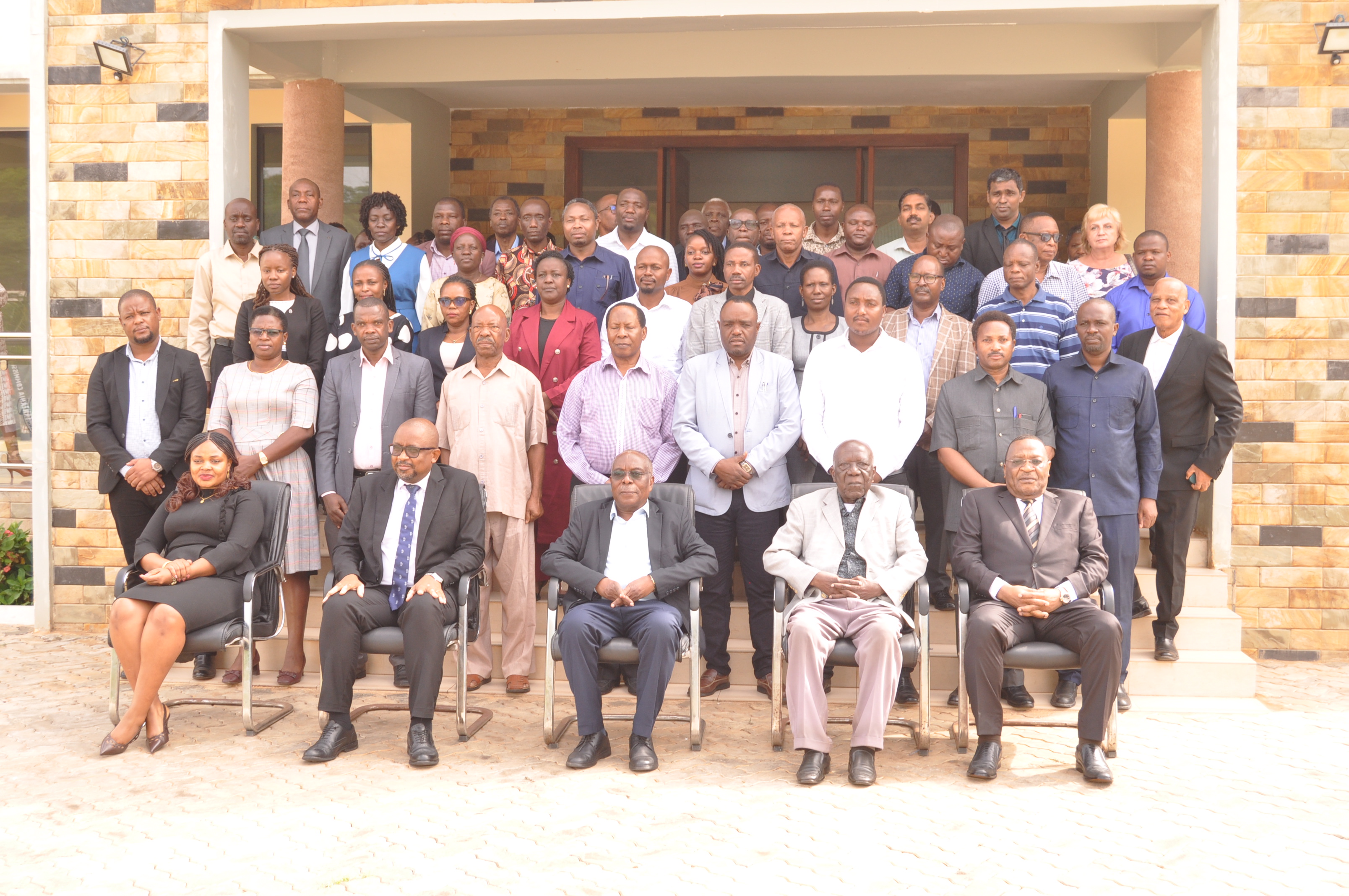
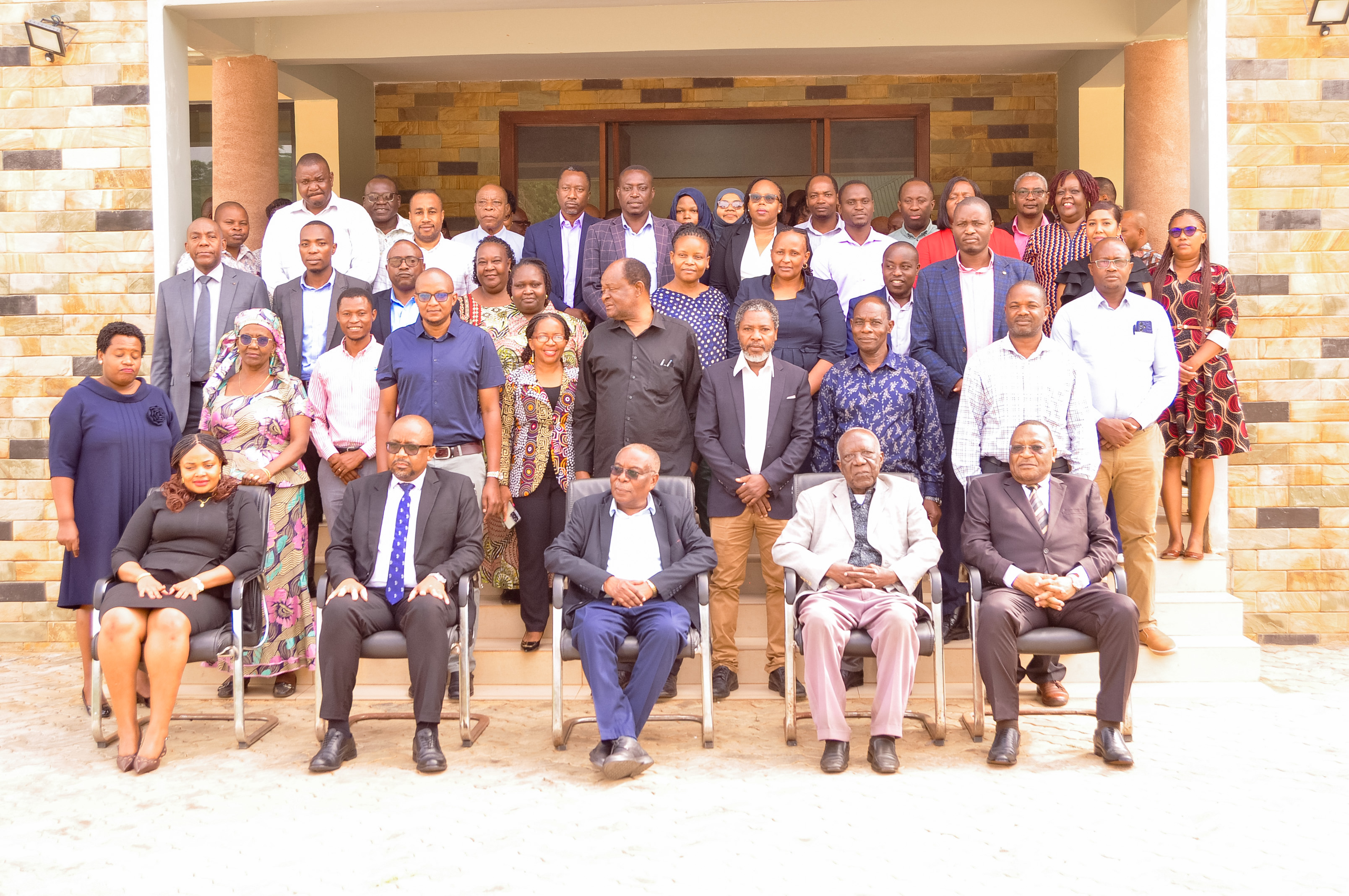
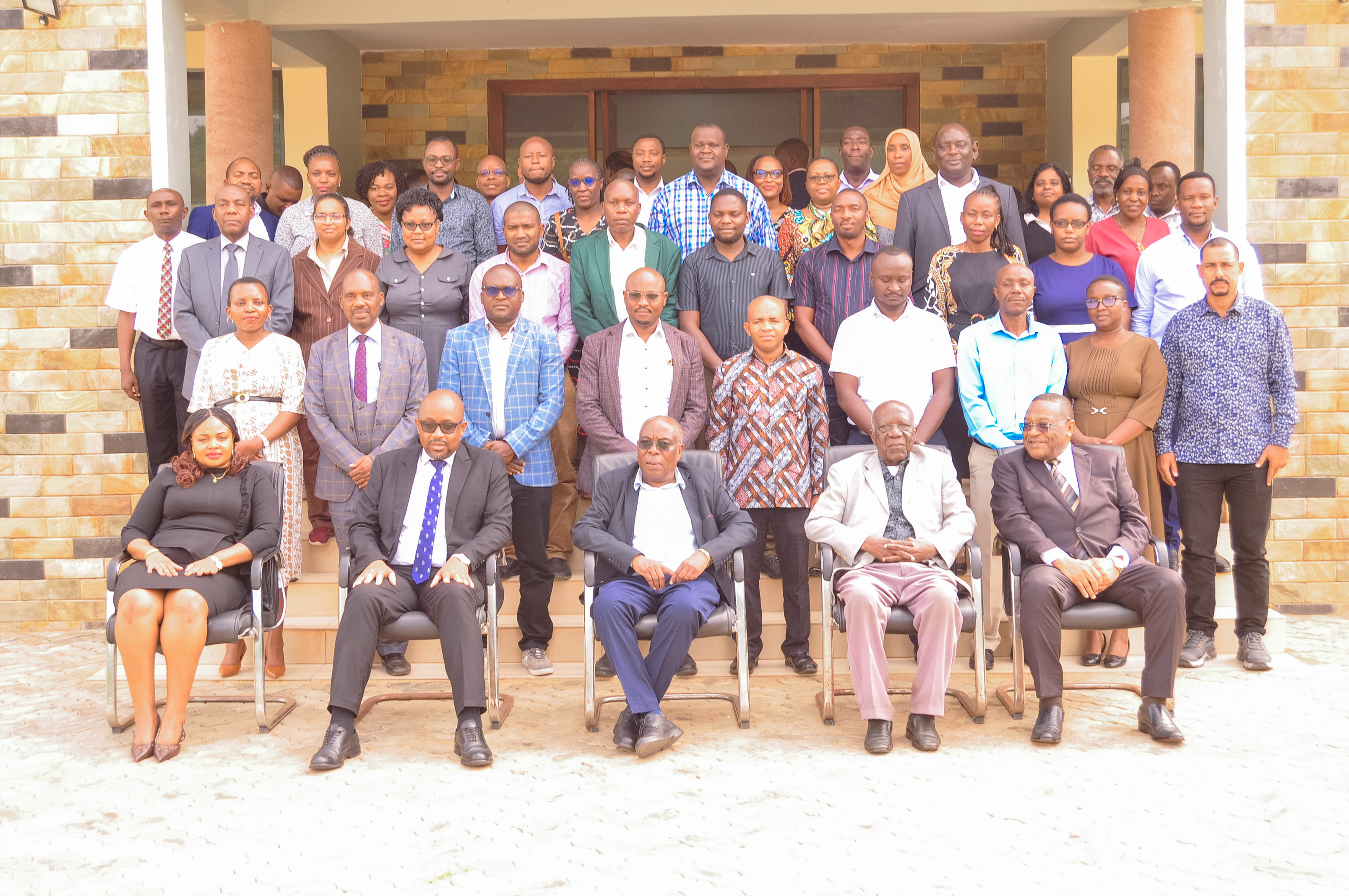
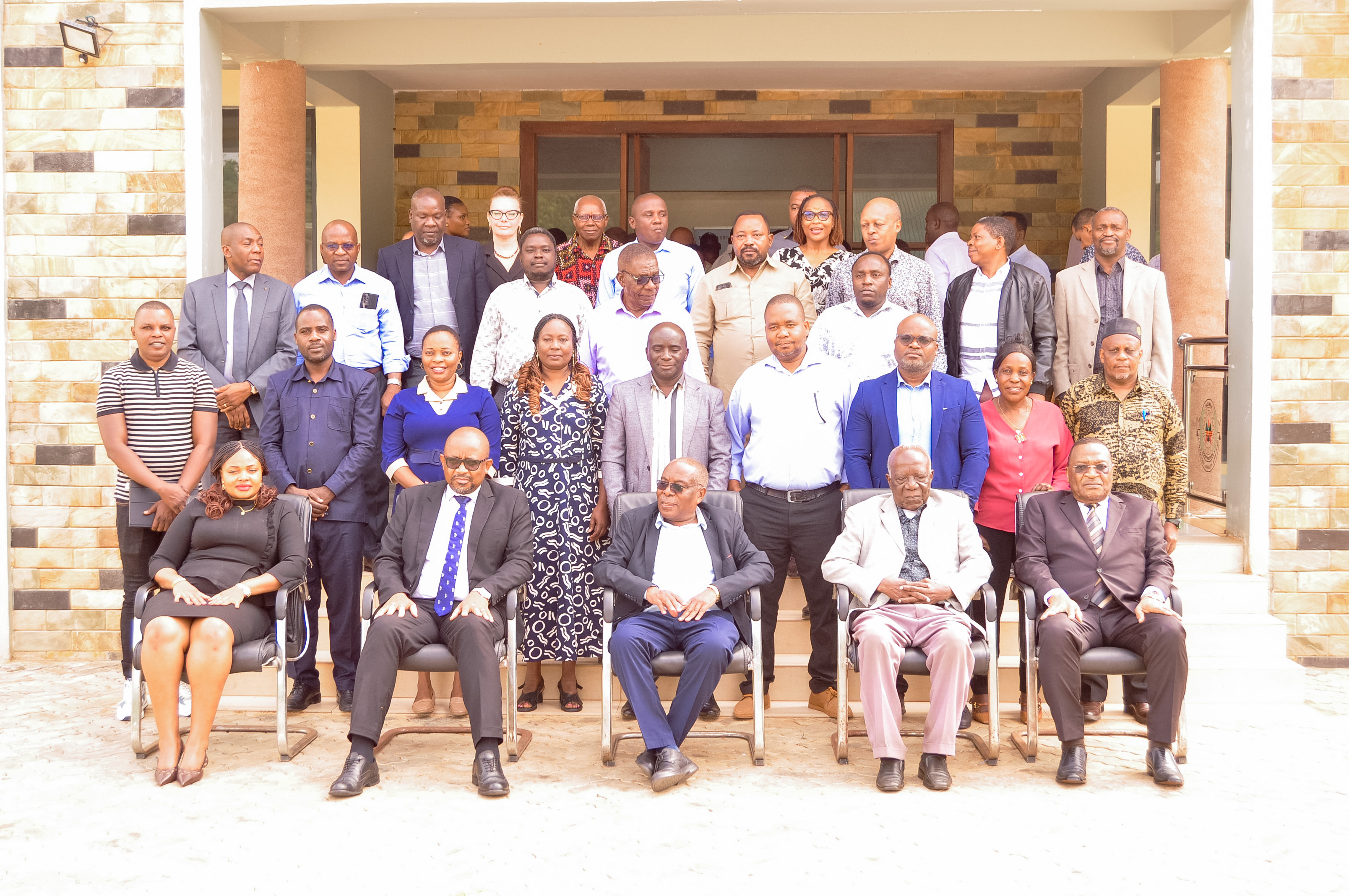
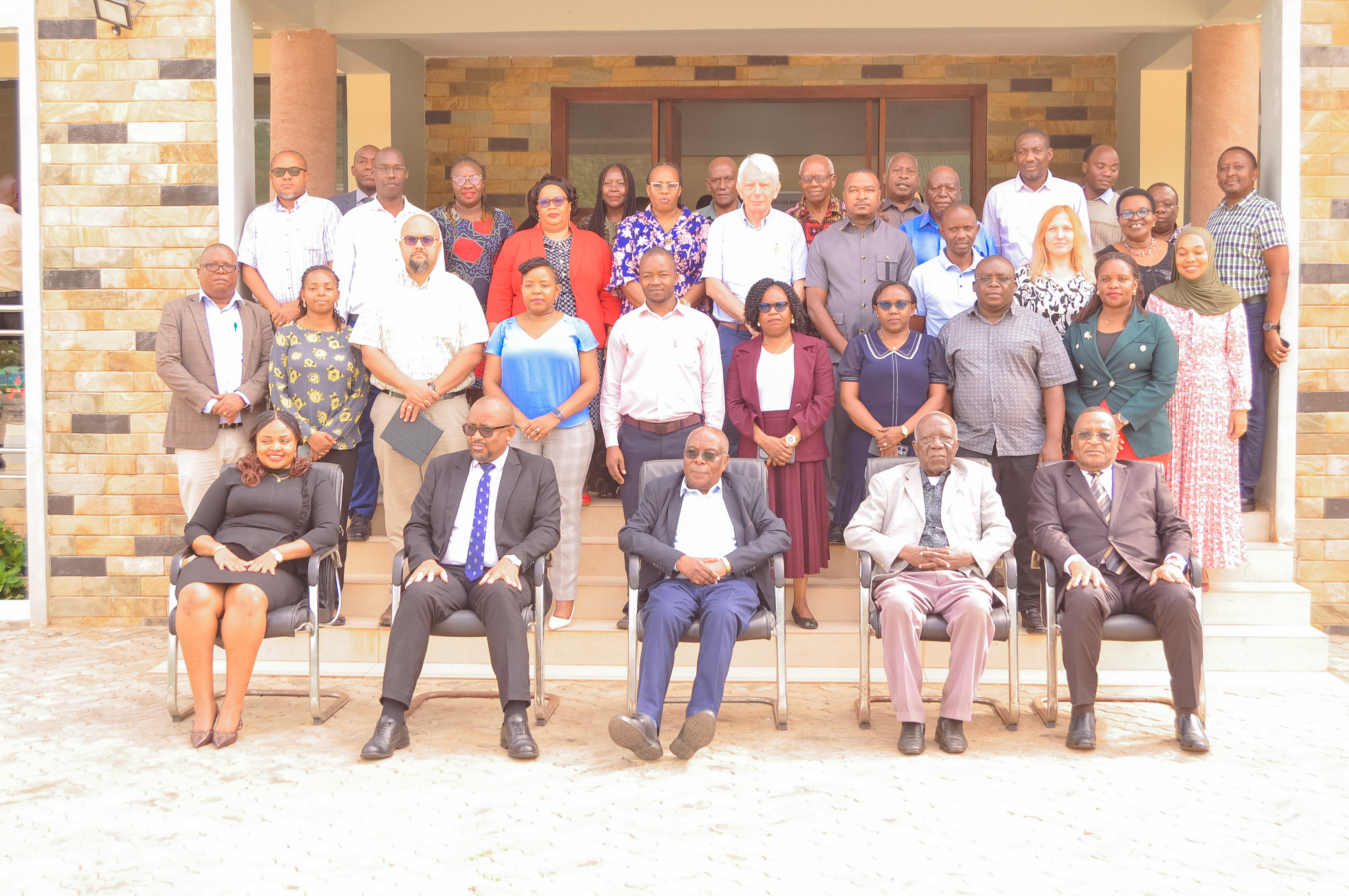
In a significant step towards strengthening the quality and governance of university education in the country, the Tanzania Commission for Universities (TCU) convened a two-day capacity development workshop for Heads of Academic Departments from universities across Tanzania. The workshop, held in Morogoro from 19th to 20th February 2026, brought together more than 190 academic leaders from both public and private universities.
The training formed part of TCU’s broader commitment to supporting universities in enhancing academic standards, strengthening internal quality assurance systems, and reinforcing effective governance structures within university institutions. As academic departments form the backbone of teaching, learning and research in universities, the Commission continues to prioritise the capacity development of Heads of Departments, who play a pivotal role in maintaining academic quality, guiding curriculum implementation, and promoting institutional accountability.
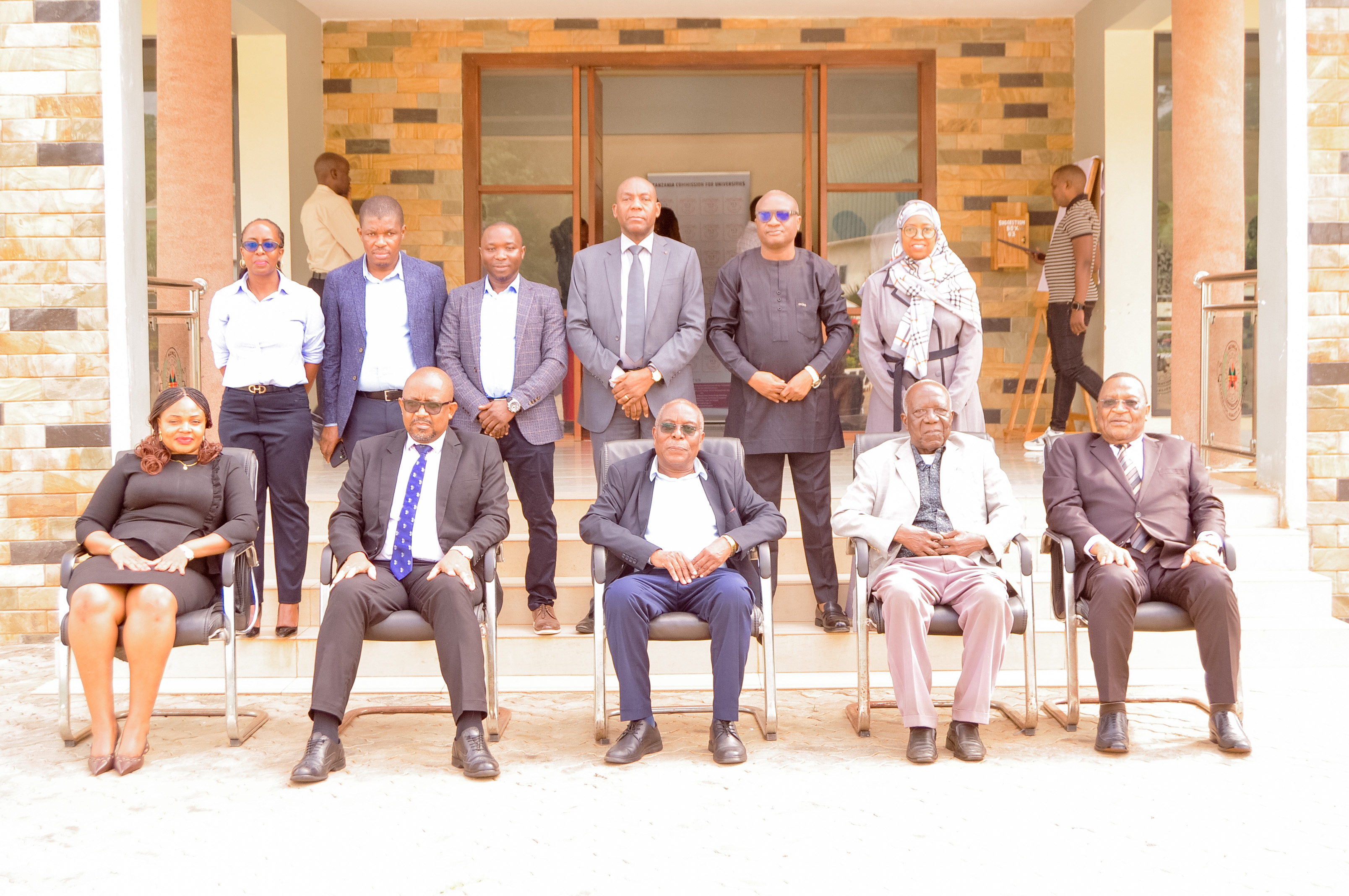
The workshop was officiated by the Chairman of TCU, Prof. Makenya Maboko, on 19th February 2026. In his remarks, he emphasised the importance of strong academic leadership in safeguarding the integrity and credibility of university education. He emphasised that universities remain central to Tanzania’s national development agenda and must therefore operate within robust governance systems supported by effective quality assurance mechanisms.
Prof. Maboko noted that Heads of Academic Departments occupy a strategic position within universities, as they directly oversee teaching, curriculum delivery, research coordination and the development of academic staff. He encouraged participants to make full use of the workshop as an opportunity to exchange experiences, reflect on emerging challenges within the higher education sub-sector, and strengthen professional networks that would ultimately benefit their respective institutions and students.
He further commended TCU for its continued efforts to support universities through structured training programmes designed to promote quality assurance, good governance, transparency and accountability across the higher education sub-sector.
During the two-day programme, participants engaged in intensive learning sessions focusing on contemporary issues affecting university management and academic quality. The workshop served not only as a training forum but also as a national platform for dialogue among academic leaders responsible for shaping the academic environment within their institutions.
The training modules addressed several key areas, including corporate governance and university governance structures, quality assurance in higher education, fundamentals of leadership and management, strategic leadership and institutional management, as well as emerging issues affecting universities. These themes were carefully selected to respond to the evolving landscape of higher education, where institutions must balance academic excellence, regulatory compliance and innovation in teaching and research.
The sessions were delivered by higher education experts who shared practical insights drawn from their extensive experience in academia and university administration. Among the facilitators were Prof. Idrissa Mshoro, who provided perspectives on university governance and the responsibilities of academic leaders in maintaining institutional integrity; Prof. Charles Kihampa, Executive Secretary of TCU, who guided participants through strategic issues relating to quality assurance and regulatory expectations within higher education; and Dr. Telemu Kassile, Director of Accreditation at TCU, who elaborated on the quality assurance framework for university education in Tanzania and emphasised the importance of a strong commitment to advancing the internationalisation of higher education in the country.
Other facilitators included Prof. Daniel Mkude, who shared insights on academic leadership and institutional development; FCPA Dr. Neema Kiure-Mssusa, who addressed governance and accountability from a leadership and financial management perspective; and Dr. Eunice Likotiko, who facilitated discussions on emerging issues affecting university education and the changing demands placed upon academic institutions. Through presentations, discussions and interactive sessions, participants explored practical strategies for strengthening departmental leadership and ensuring compliance with regulatory standards.
The workshop therefore placed strong emphasis on equipping departmental leaders with management and leadership competencies that go beyond traditional academic responsibilities. Discussions highlighted the importance of proactive leadership, strategic planning, effective communication and evidence-based decision-making within university departments. Participants also exchanged experiences regarding common challenges faced within universities, including curriculum review processes, academic staff development, student supervision and the need to maintain academic quality in a rapidly expanding higher education system.
The training reflects TCU’s ongoing role not only as a regulatory authority but also as a key capacity-building partner to universities. Through such initiatives, the Commission seeks to ensure that university institutions remain well equipped to uphold national, regional and international academic standards while remaining responsive to societal needs and global developments.
Over the years, TCU has organised numerous leadership and governance training programmes targeting university leaders and academic staff across the country. These initiatives continue to strengthen institutional systems, promote accountability and cultivate a culture of quality throughout Tanzania’s higher education sub-sector.