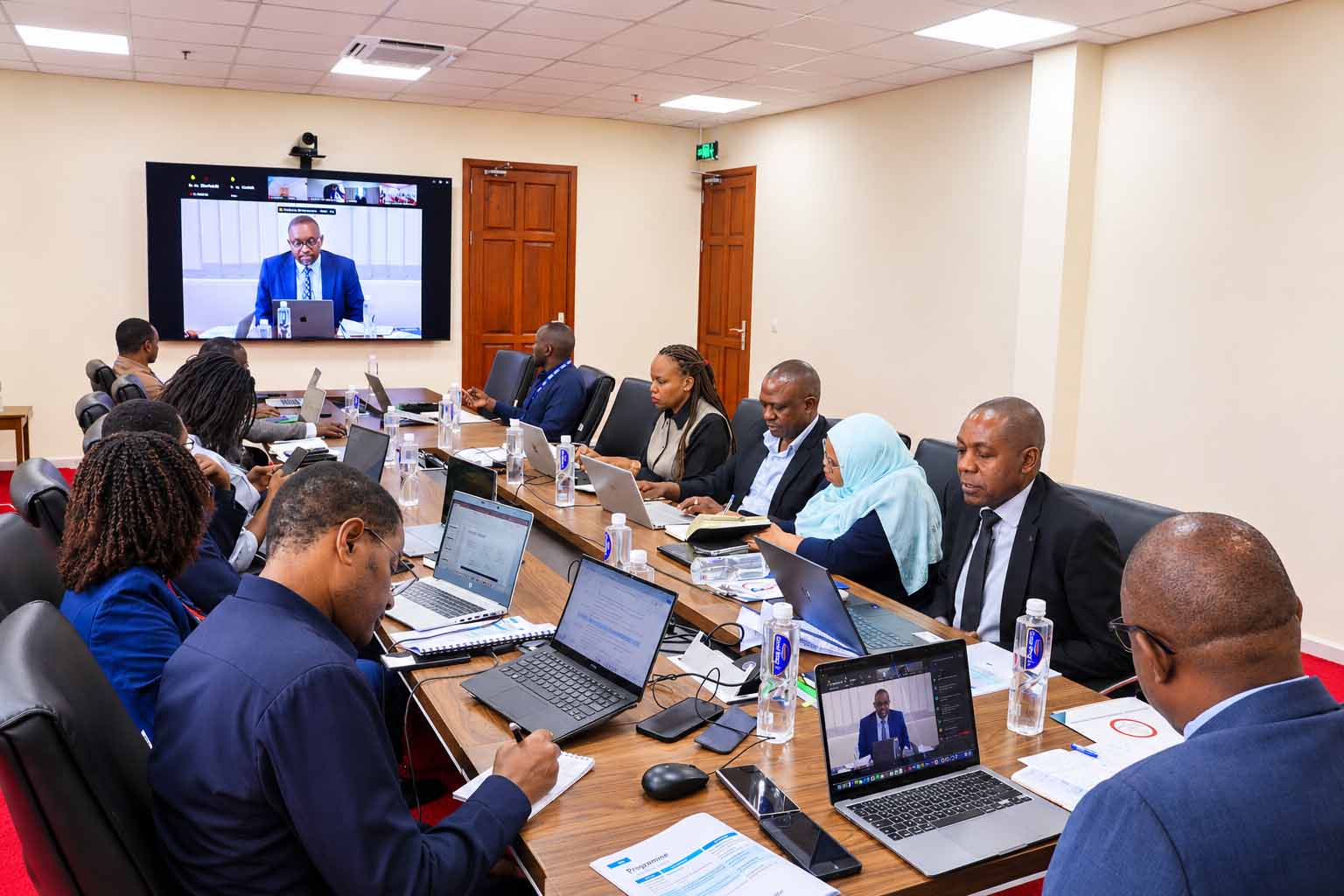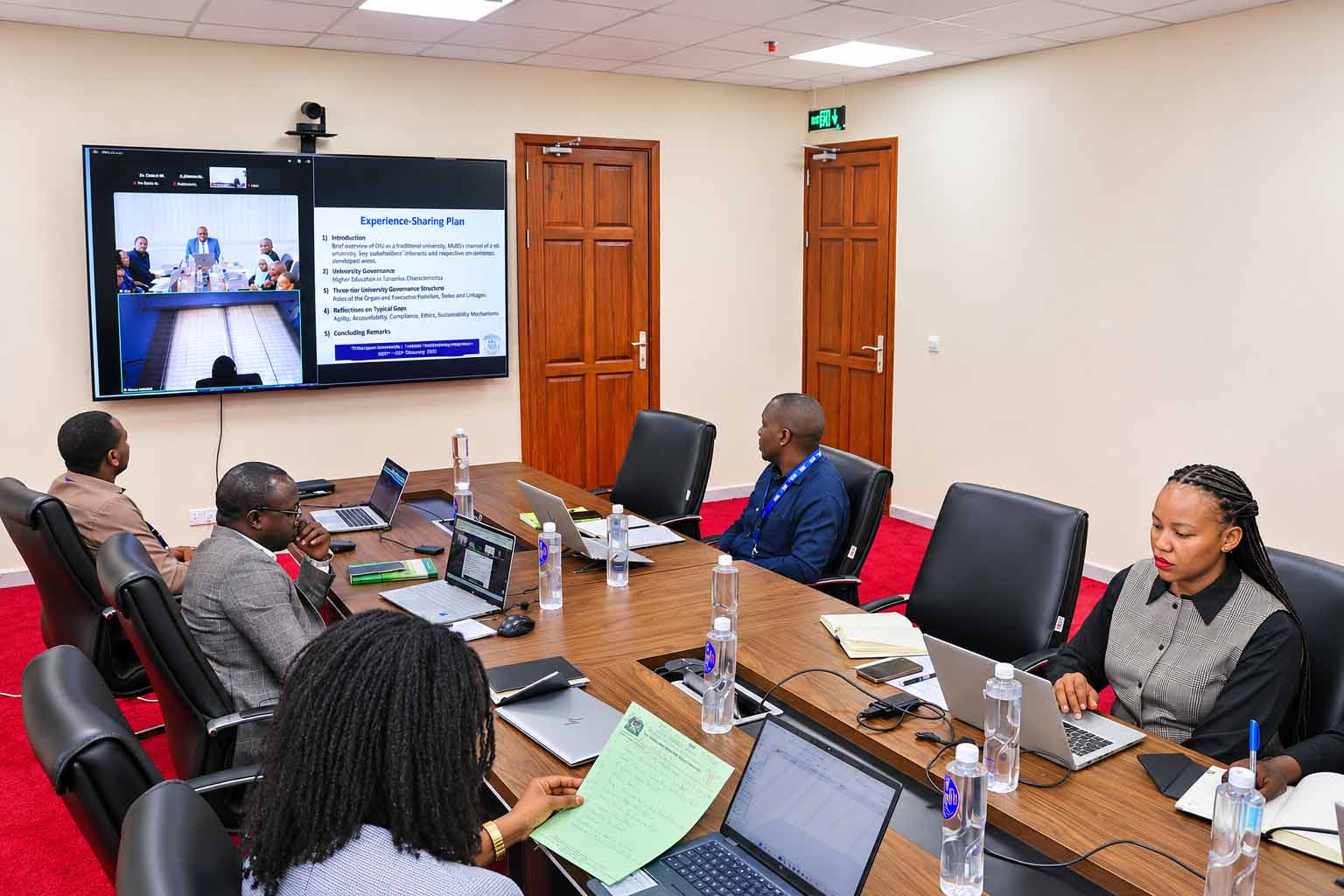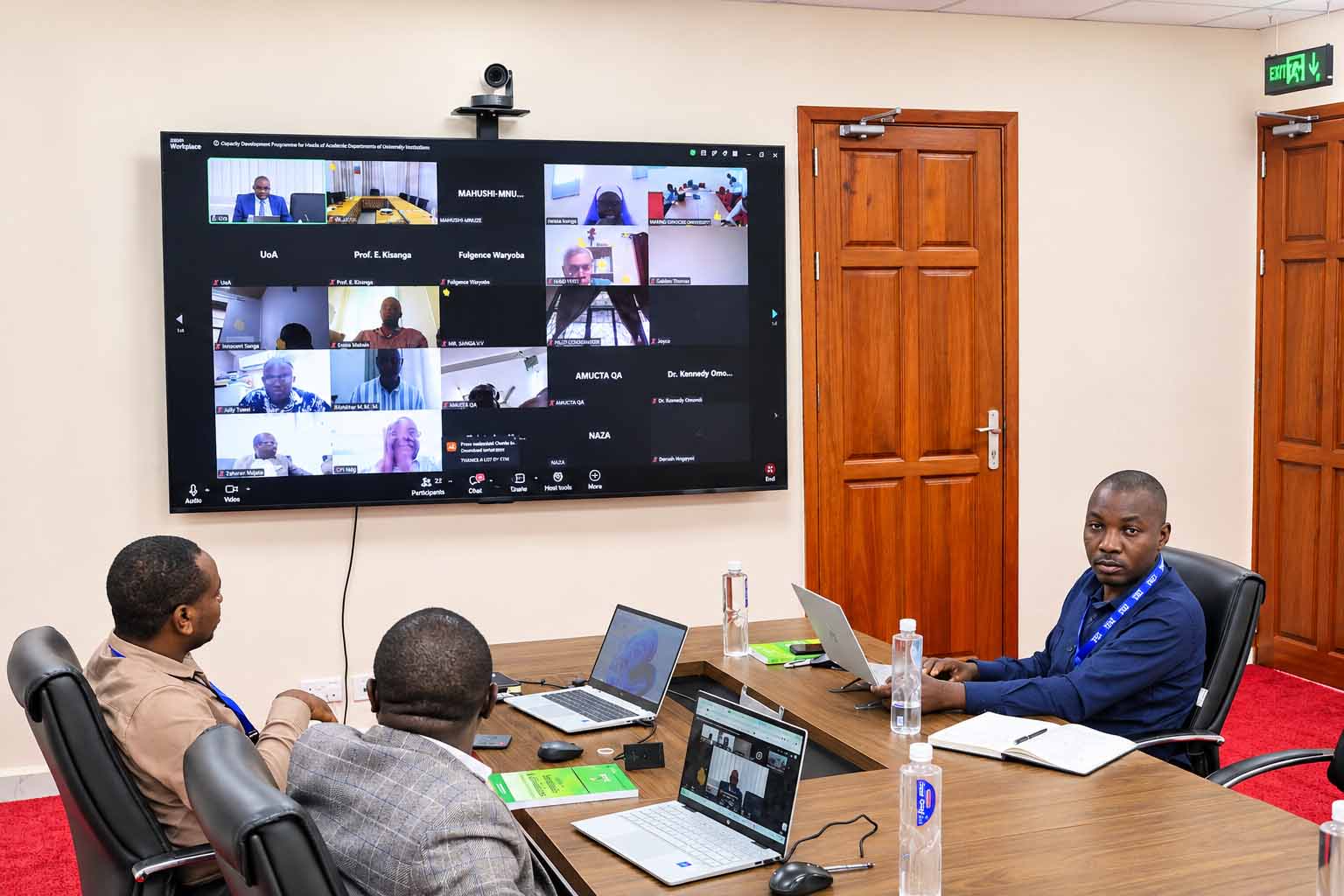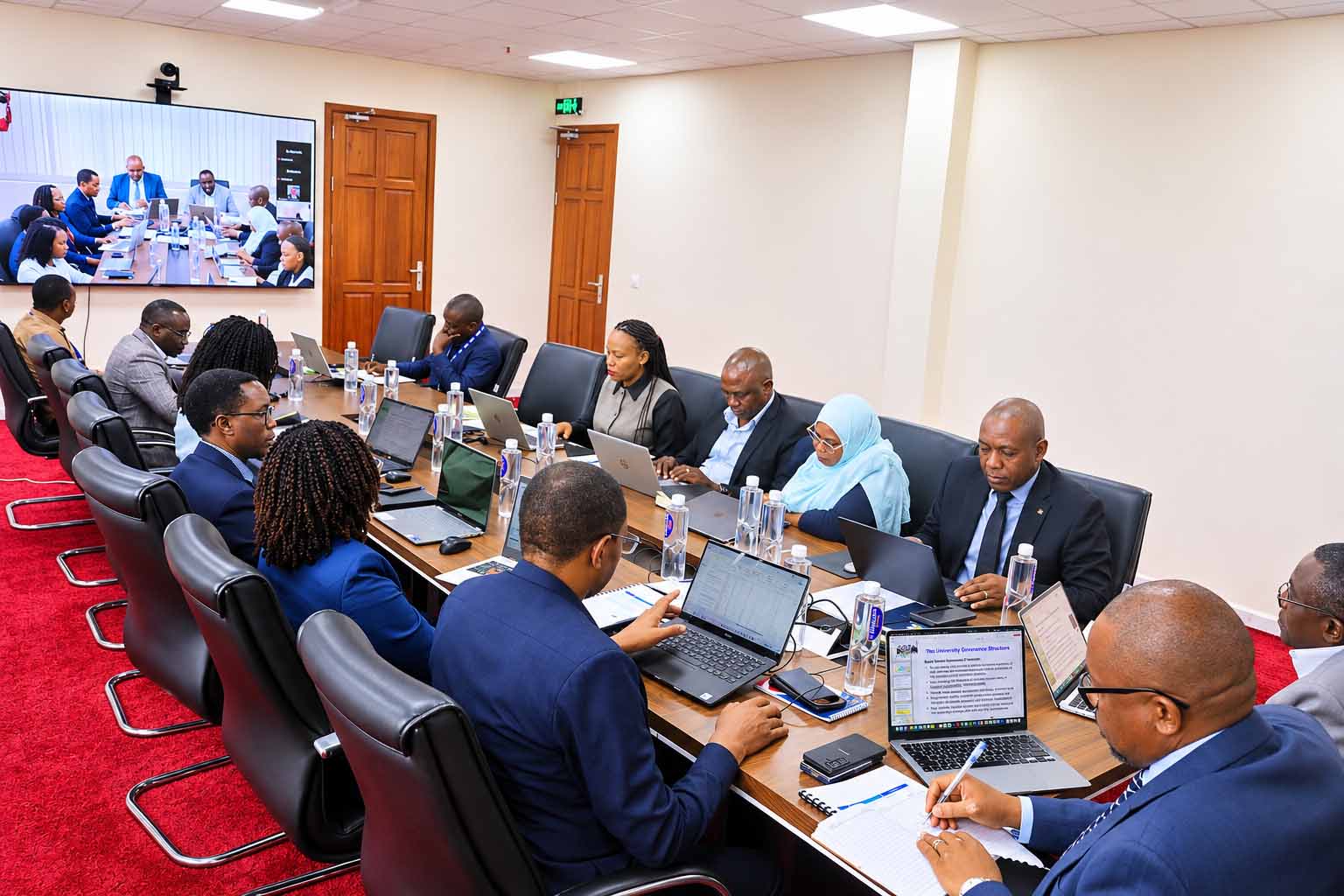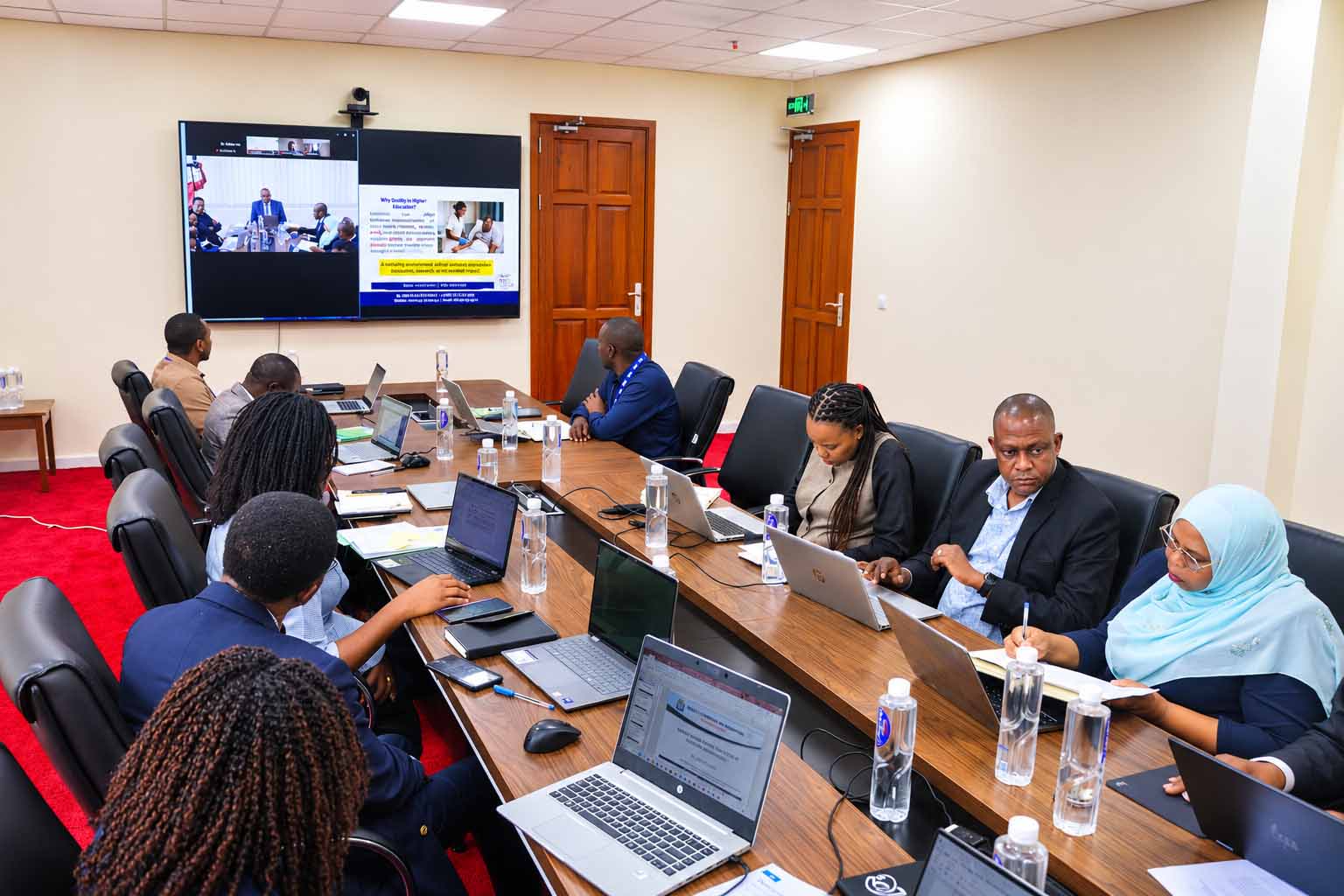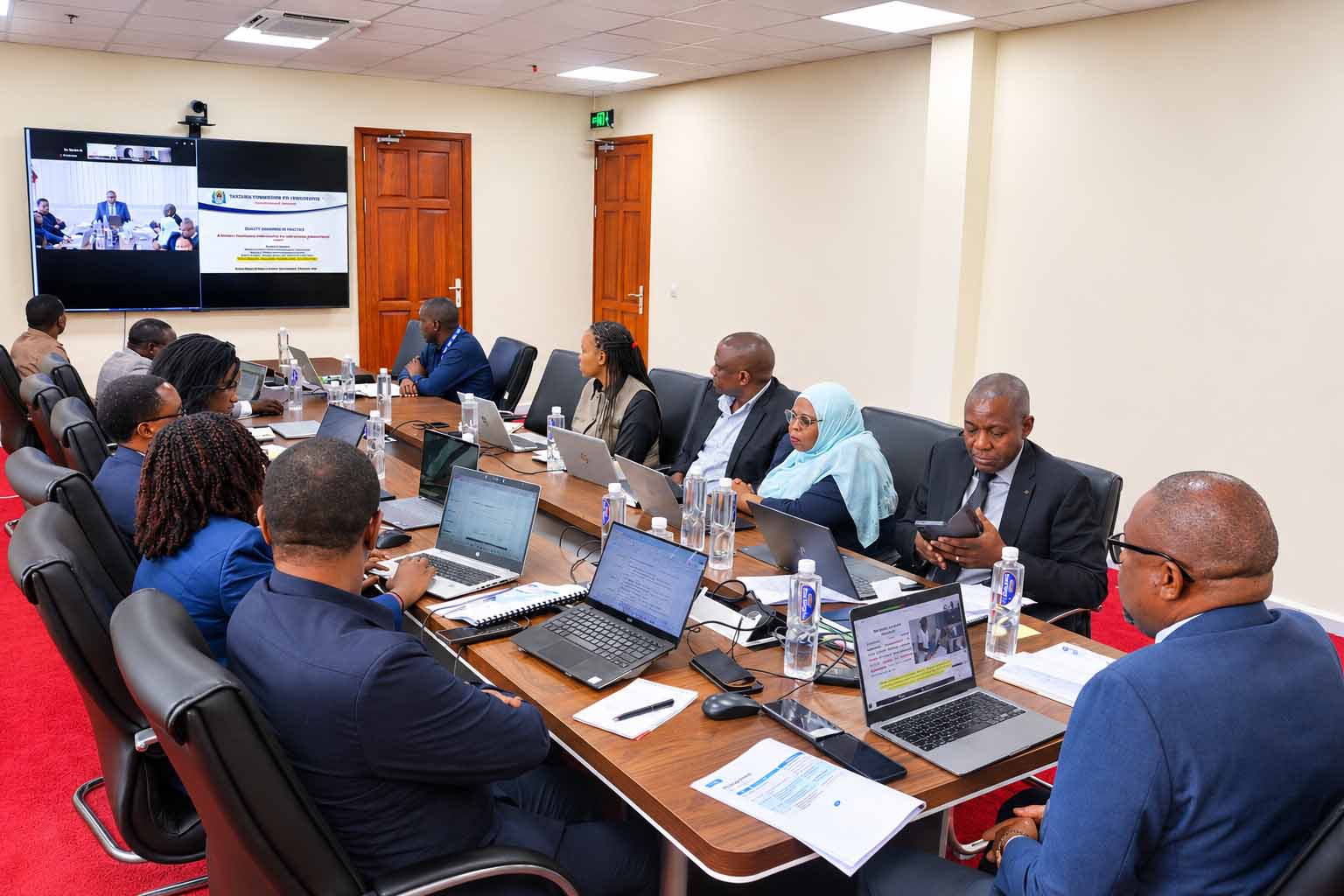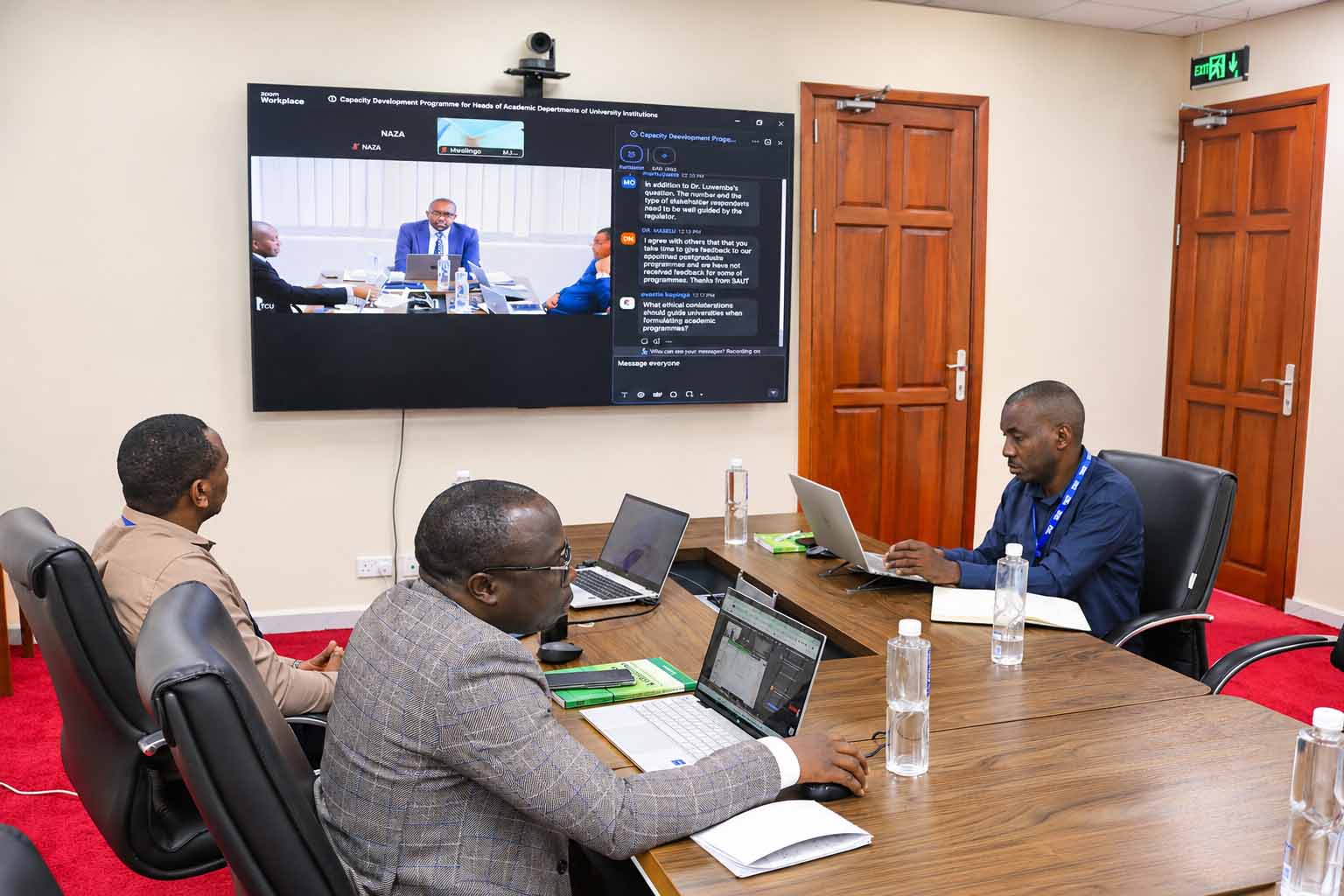

UNIVERSITY ACADEMIC LEADERS EQUIPPED WITH PRACTICAL SKILLS TO STRENGTHEN GOVERNANCE, QUALITY ASSURANCE AND ACADEMIC EXCELLENCE
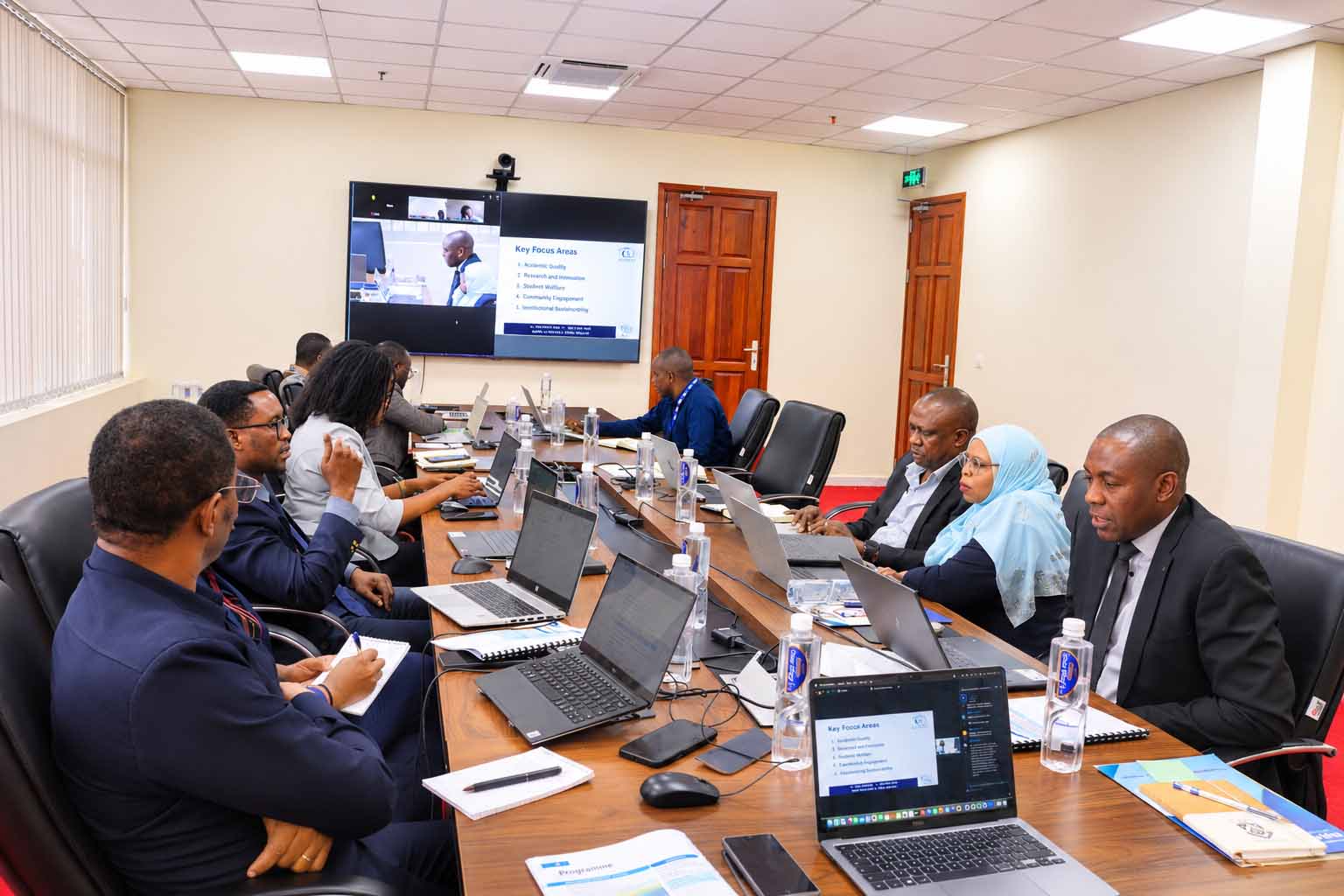
Heads of Academic Departments from universities across Tanzania have gained valuable insights and practical skills in academic leadership, institutional accountability, regulatory compliance and quality assurance through a capacity development initiative organised by the Tanzania Commission for Universities (TCU) to strengthen university governance and promote excellence in higher education.
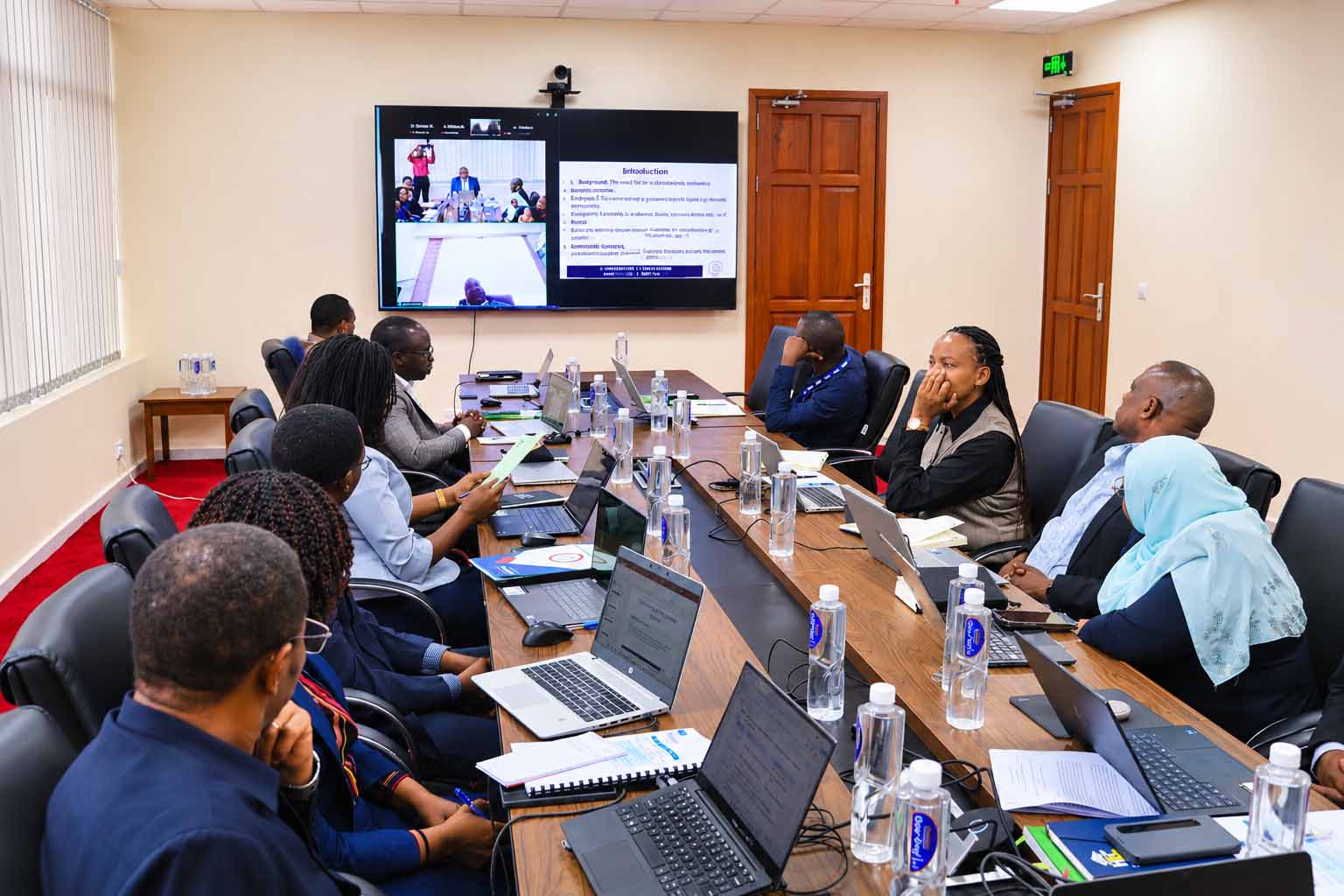
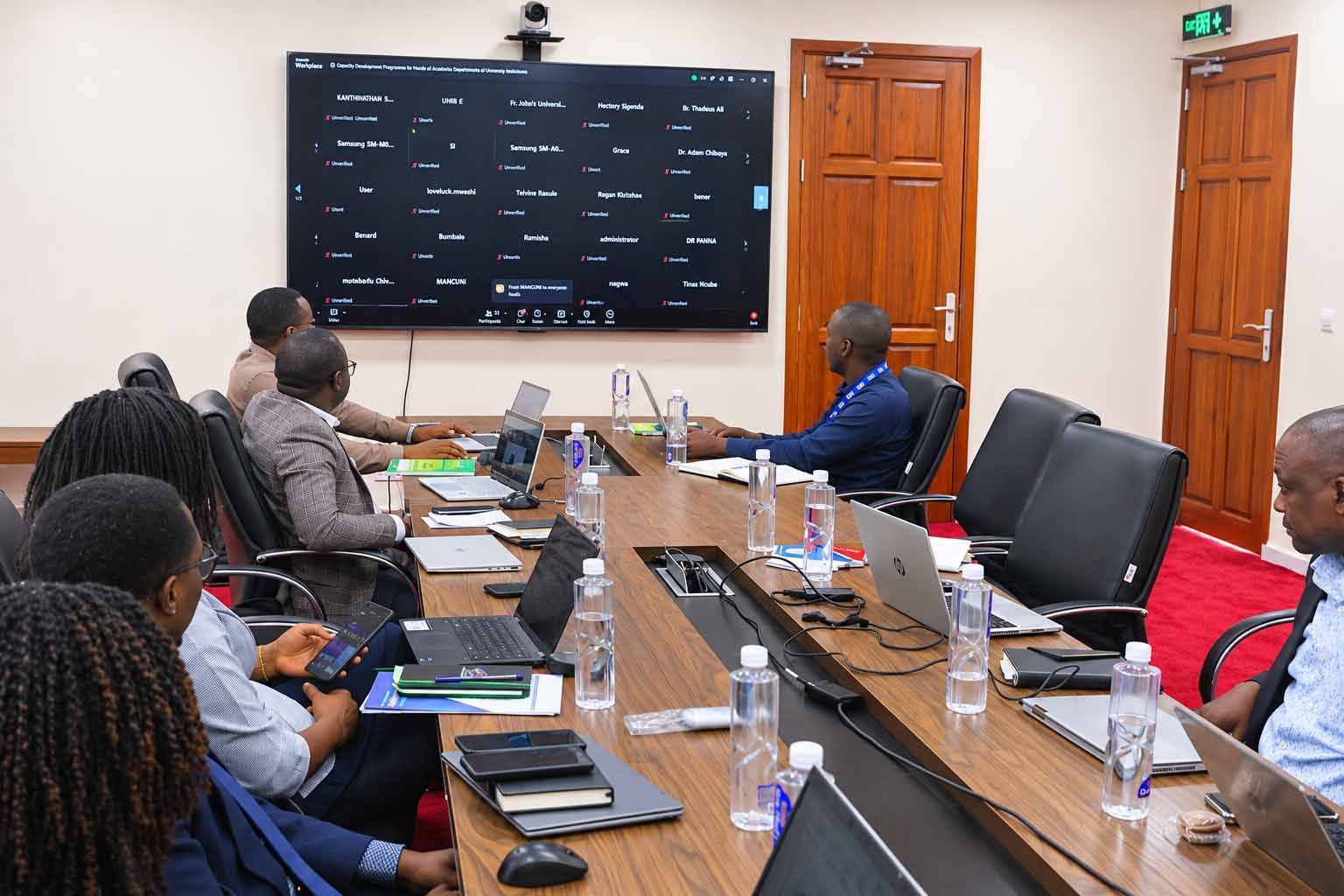
The insights were shared during a one-day online capacity development programme held on 3rd November 2026, bringing together 378 academic leaders to enhance their understanding of governance responsibilities,decision-making, quality assurance requirements and effective departmental management.
The programme, officially opened by Prof. Lughano Kusiluka, TCU Vice Chairperson and Vice Chancellor of the University of Dodoma, provided an interactive platform for participants to engage with experienced university leaders,and quality assurance experts on practical approaches to strengthening institutional performance and maintaining academic standards.
Combining expert presentations, institutional experiences and practical case studies, the webinar emphasised the critical role of Heads of Academic Departments in translating institutional policies and regulatory requirements into effective academic practices.
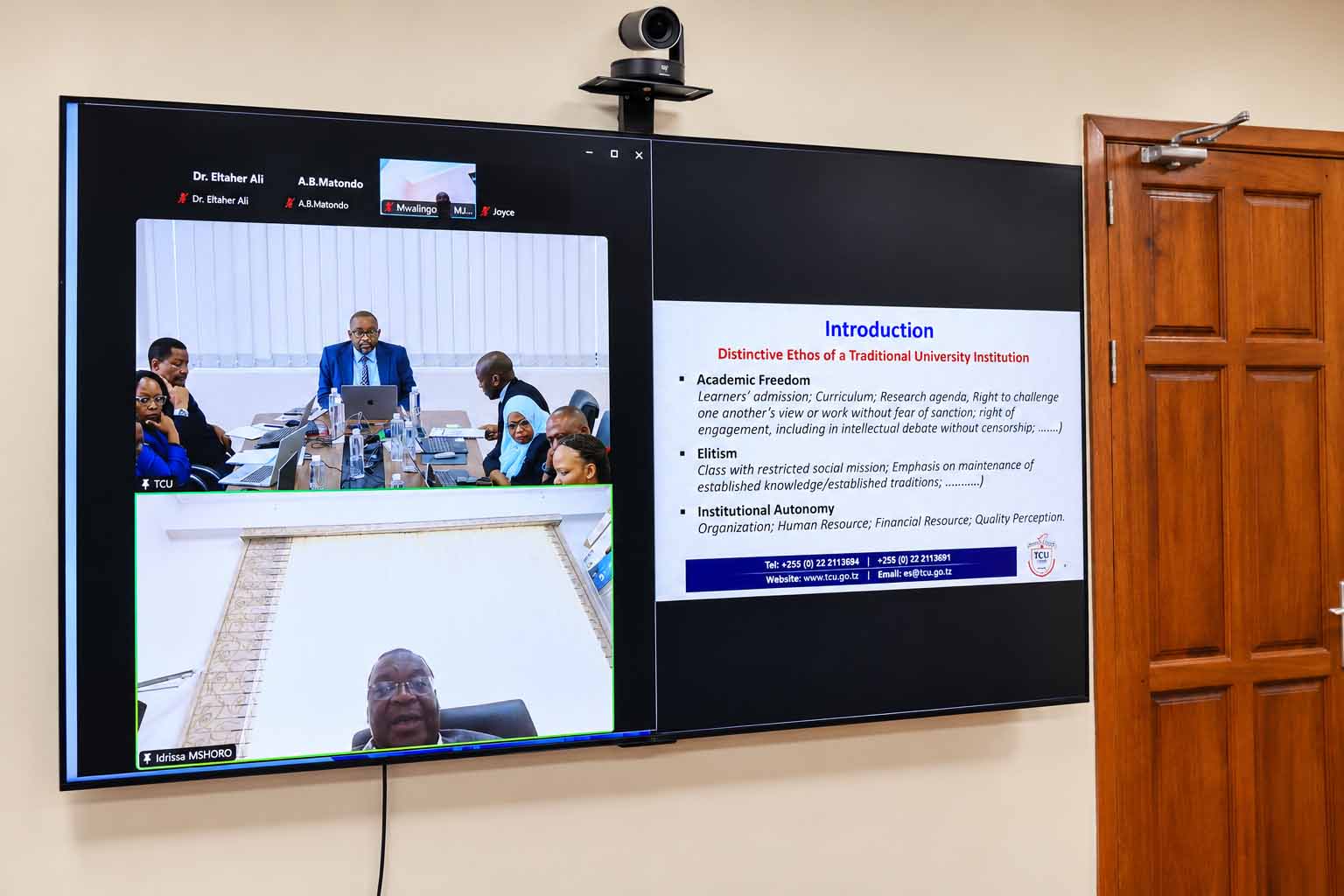
A presentation on University Governance in Practice: Roles, Institutional Linkages and Accountability in Academic Decision-Making, delivered by Prof. Idrissa Mshoro, former Vice Chancellor of Ardhi University, explored the responsibilities of Heads of Academic Departments within university governance structures.
The discussion highlighted the relationships between academic departments, Faculty and School Boards, Senate and University Councils, emphasising the importance of clearly defined responsibilities, transparent decision-making and institutional accountability.
Participants examined how academic decisions are initiated, reviewed, approved, implemented and monitored, reinforcing the importance of departmental leaders actively participating in university governance rather than merely implementing decisions made by higher authorities.
Prof. Charles Kihampa, TCU Executive Secretary, delivered a presentation on Quality Assurance in Practice: Academic Standards, Compliance and Continuous Improvement, highlighting the importance of integrating quality assurance into routine departmental operations.
The discussion focused on curriculum implementation, academic staffing, teaching and assessment practices, learning resources and student academic performance. Participants also explored practical approaches to identifying quality gaps, implementing corrective measures and promoting continuous improvement.
The programme further addressed regulatory requirements for academic programme development, accreditation and re-accreditation through a presentation by Dr. Telemu Kassile, TCU Director of Accreditation.The presentation emphasised the importance of developing relevant academic programmes, securing appropriate institutional approvals, meeting prescribed quality assurance standards and obtaining regulatory accreditation before offering programmes.
Participants also examined common compliance challenges, including inadequate academic resources, unsupported admission capacities and curriculum changes undertaken without the required regulatory approval.
To translate governance principles into practical institutional operations, the programme featured two interactive sessions focusing on student academic management and academic staff administration.
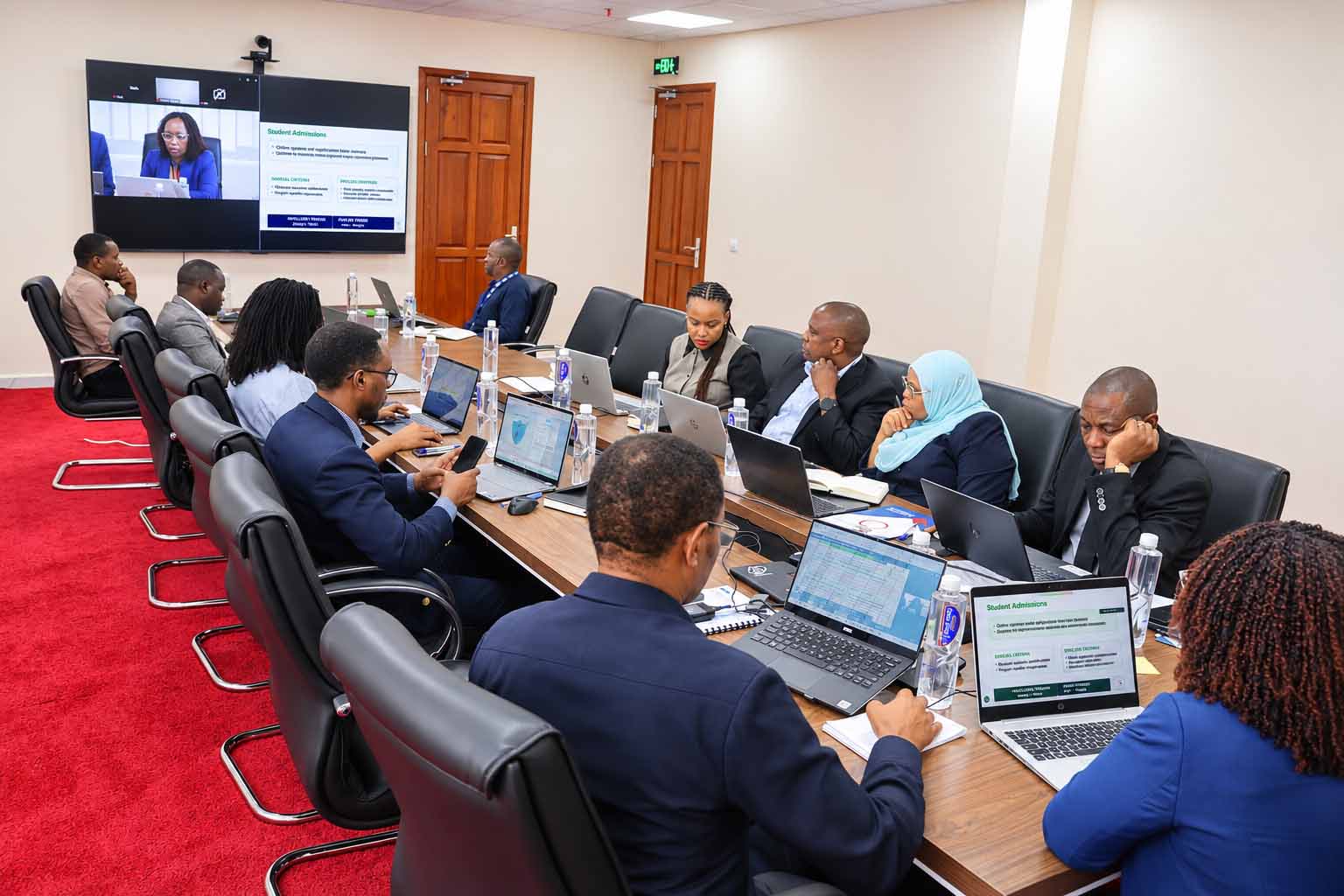
The first session, facilitated by Dr. Joan Munissi, Director of Undergraduate Studies at the University of Dar es Salaam, addressed student admissions, registration, academic progression, maximum registration periods, discontinuation and graduation eligibility.Through institutional case studies, participants examined the application of academic regulations, appropriate decision-making procedures and the importance of maintaining accurate student records.
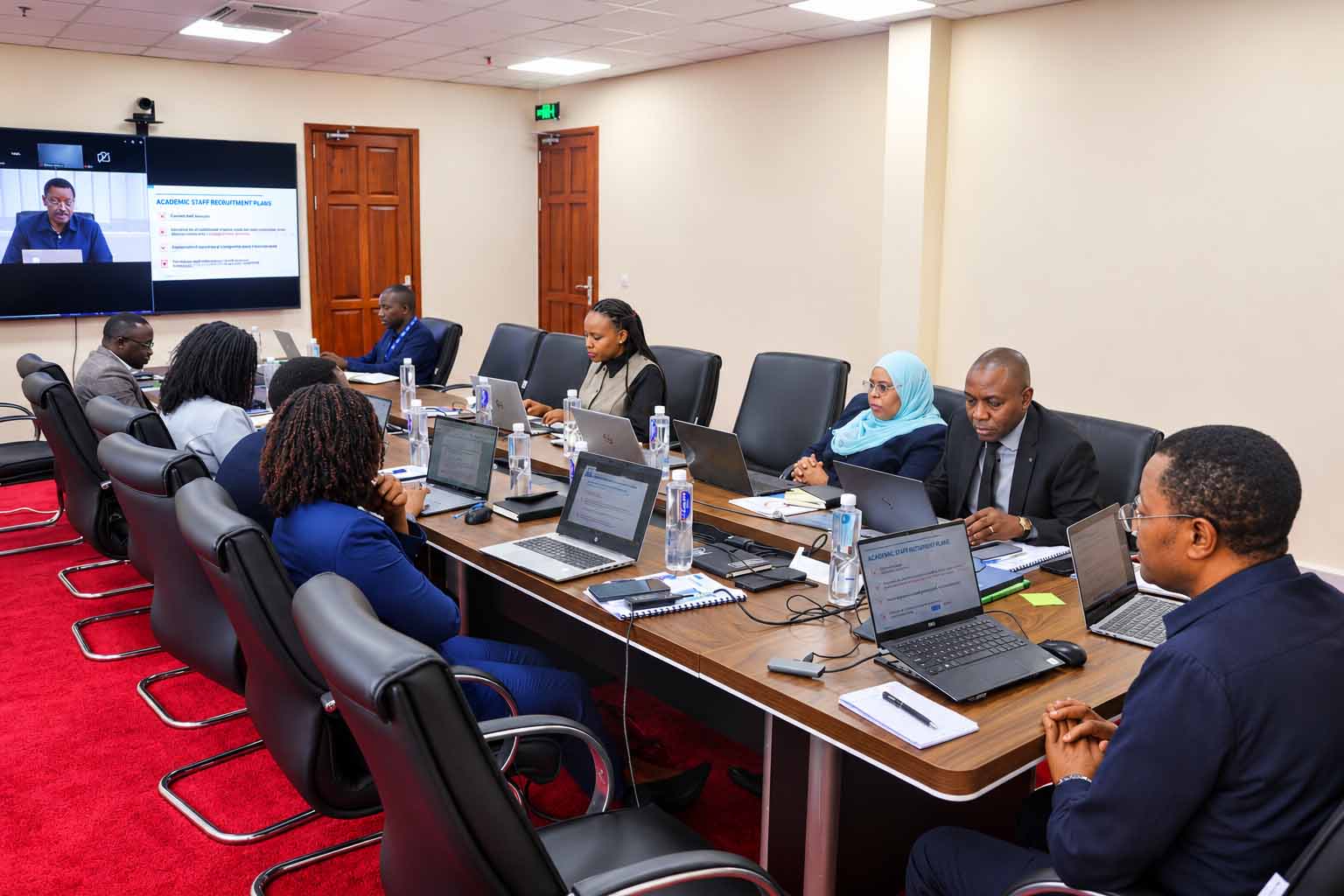
The second session, facilitated by Prof. Allen Mushi, Deputy Vice Chancellor responsible for Planning, Finance and Administration at Mzumbe University, focused on academic staff recruitment, professional development, performance appraisal and promotion.The discussion highlighted the importance of evidence-based staffing decisions, transparent recruitment and promotion procedures, effective workload management and continuous professional development in maintaining academic standards.
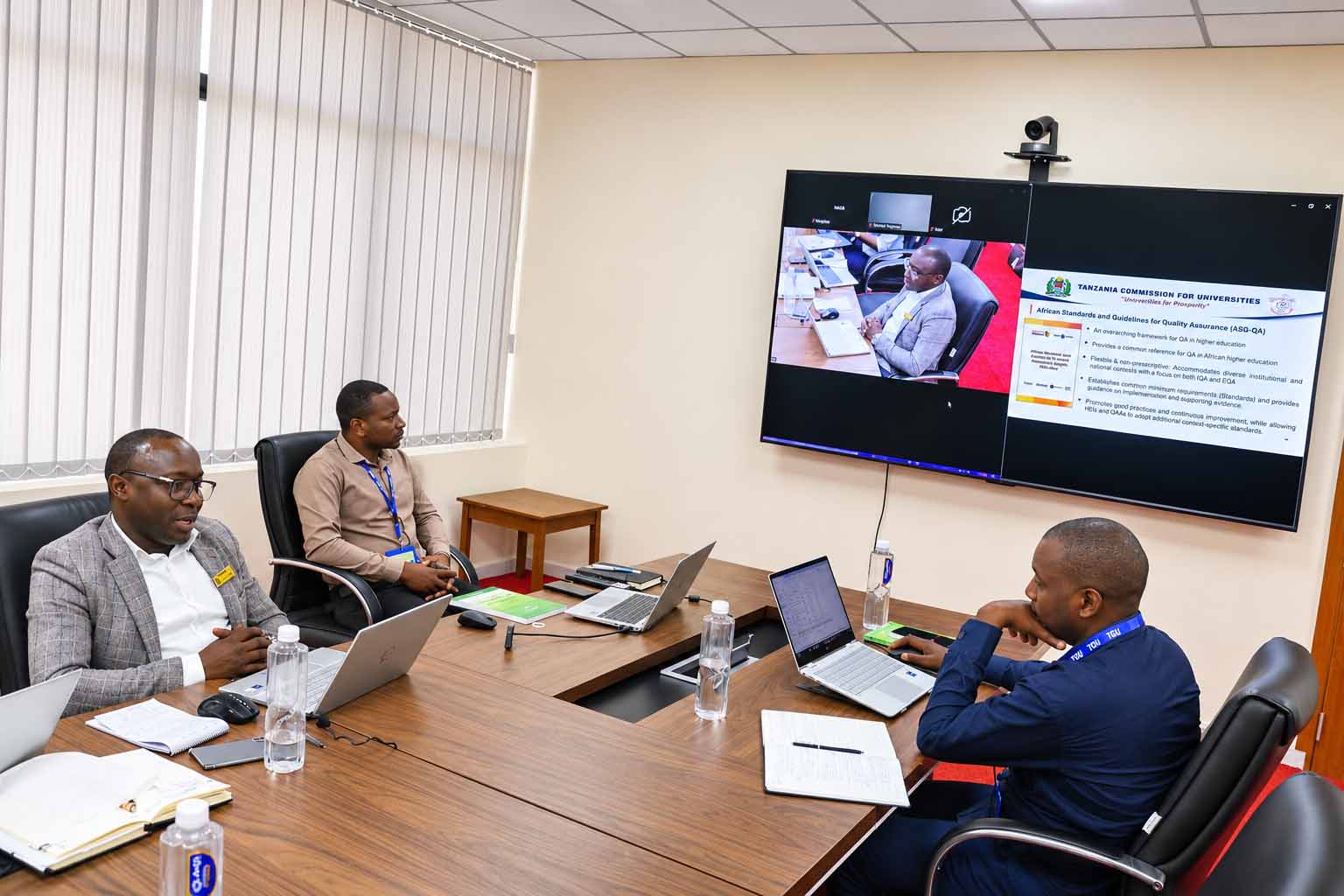
Another highlight of the programme was a joint presentation on African Standards and Guidelines for Quality Assurance (ASG-QA) as a Tool for Strengthening Quality Assurance Culture in Higher Education.The presentation was delivered by Dr. Zaharani Mgina of TCU, Dr. Julius Tweve of Dar es Salaam Tumaini University and Dr. Lulu Luflenge of Mbeya University of Science and Technology.
Drawing on findings from the HAQAA3 Dissemination Project, coordinated by TCU in collaboration with the two universities, the presentation demonstrated how the ASG-QA framework can strengthen institutional self-assessment, quality assurance systems and continuous improvement.
The findings highlighted progress in establishing quality assurance policies, governance structures and accountability mechanisms, while identifying opportunities to strengthen monitoring, stakeholder engagement, resource management and evidence-based institutional decision-making.The discussion underscored the importance of moving beyond regulatory compliance towards a sustainable quality assurance culture characterised by shared responsibility, institutional accountability and continuous improvement.
Throughout the programme, participants were encouraged to reflect on institutional experiences, identify governance and compliance challenges, and explore practical solutions to improve departmental effectiveness.
The programme concluded with closing remarks by Prof. Charles Kihampa, TCU Executive Secretary, bringing to a close an initiative aimed at strengthening academic leadership, regulatory compliance and institutional quality assurance.
The capacity development programme reaffirmed TCU's commitment to equipping university academic leaders with the knowledge and practical competencies required to maintain academic standards, strengthen institutional accountability and promote continuous improvement.By strengthening departmental leadership and encouraging evidence-based academic decision-making, the initiative contributes to advancing the quality, relevance and competitiveness of university education in Tanzania.