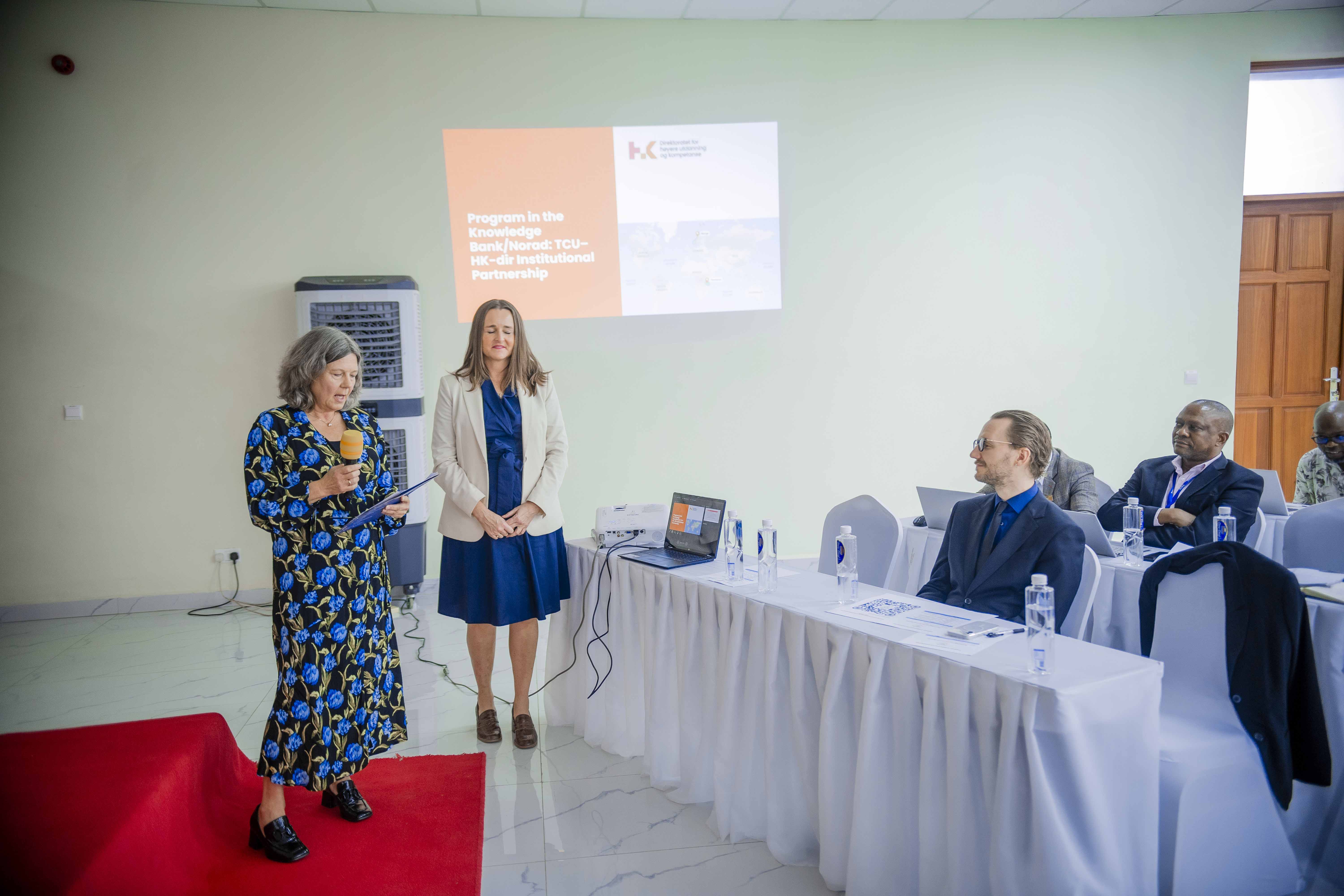
TCU AND NORWEGIAN DIRECTORATE FOR HIGHER EDUCATION AND SKILLS OFFICIALLY LAUNCH INSTITUTIONAL PARTNERSHIP PROGRAMME FOR 2026 - 2028
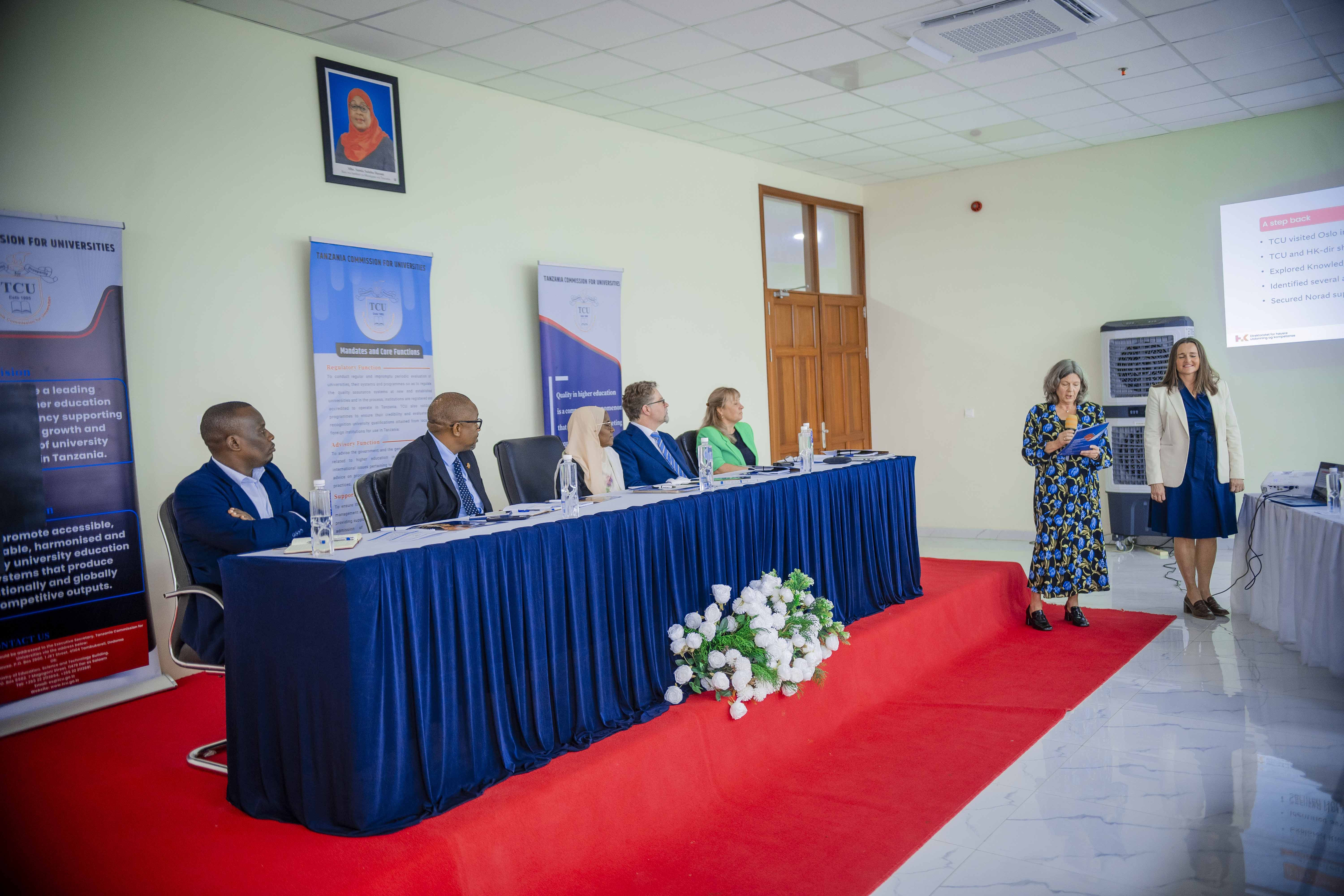
The Tanzania Commission for Universities (TCU) and the Norwegian Directorate for Higher Education and Skills (HK-dir) have officially launched a three-year Institutional Partnership Programme for 2026 - 2028, aimed at strengthening institutional capacity, enhancing regulatory efficiency and promoting excellence in university education governance through international cooperation and knowledge exchange.
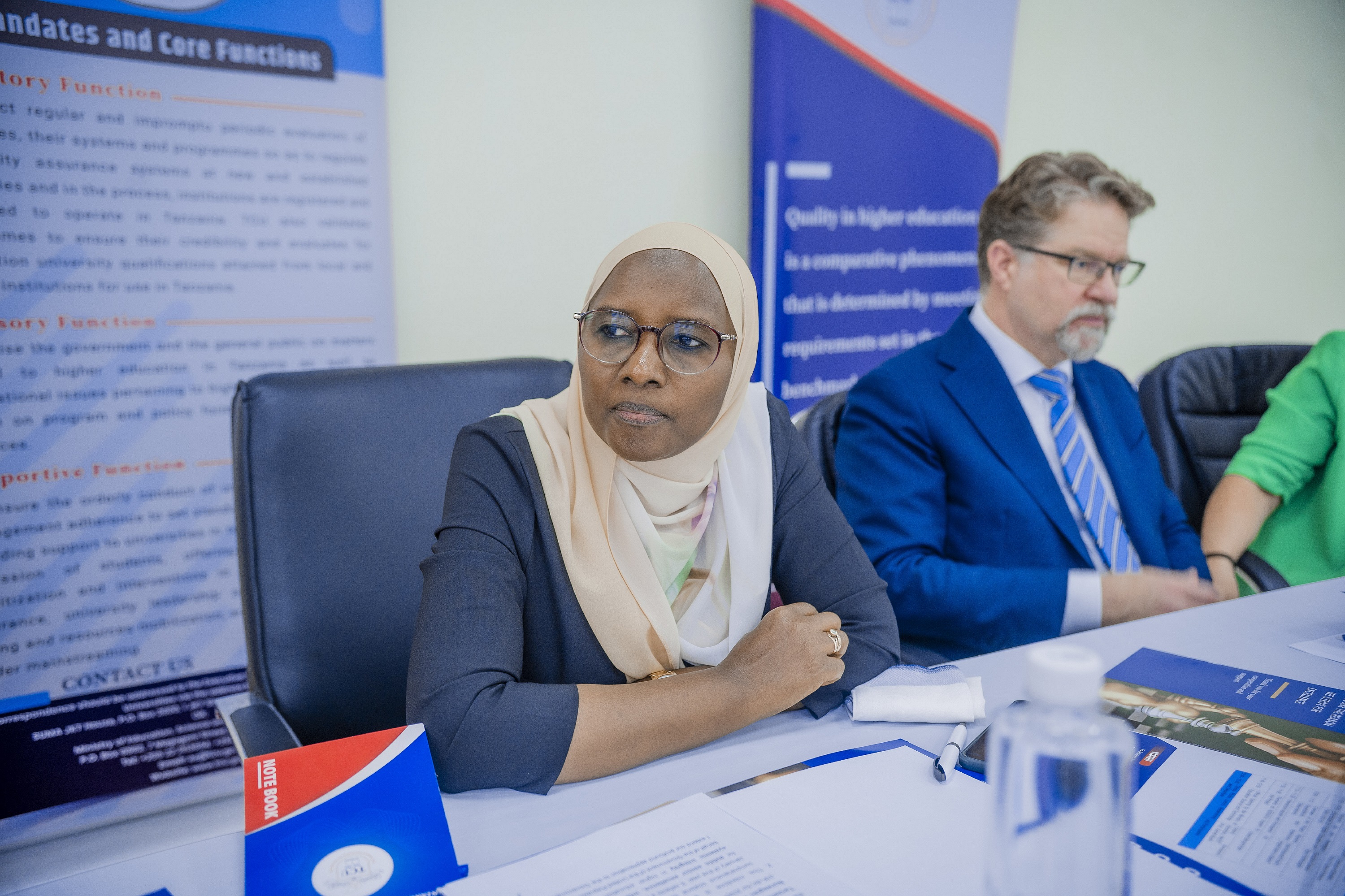
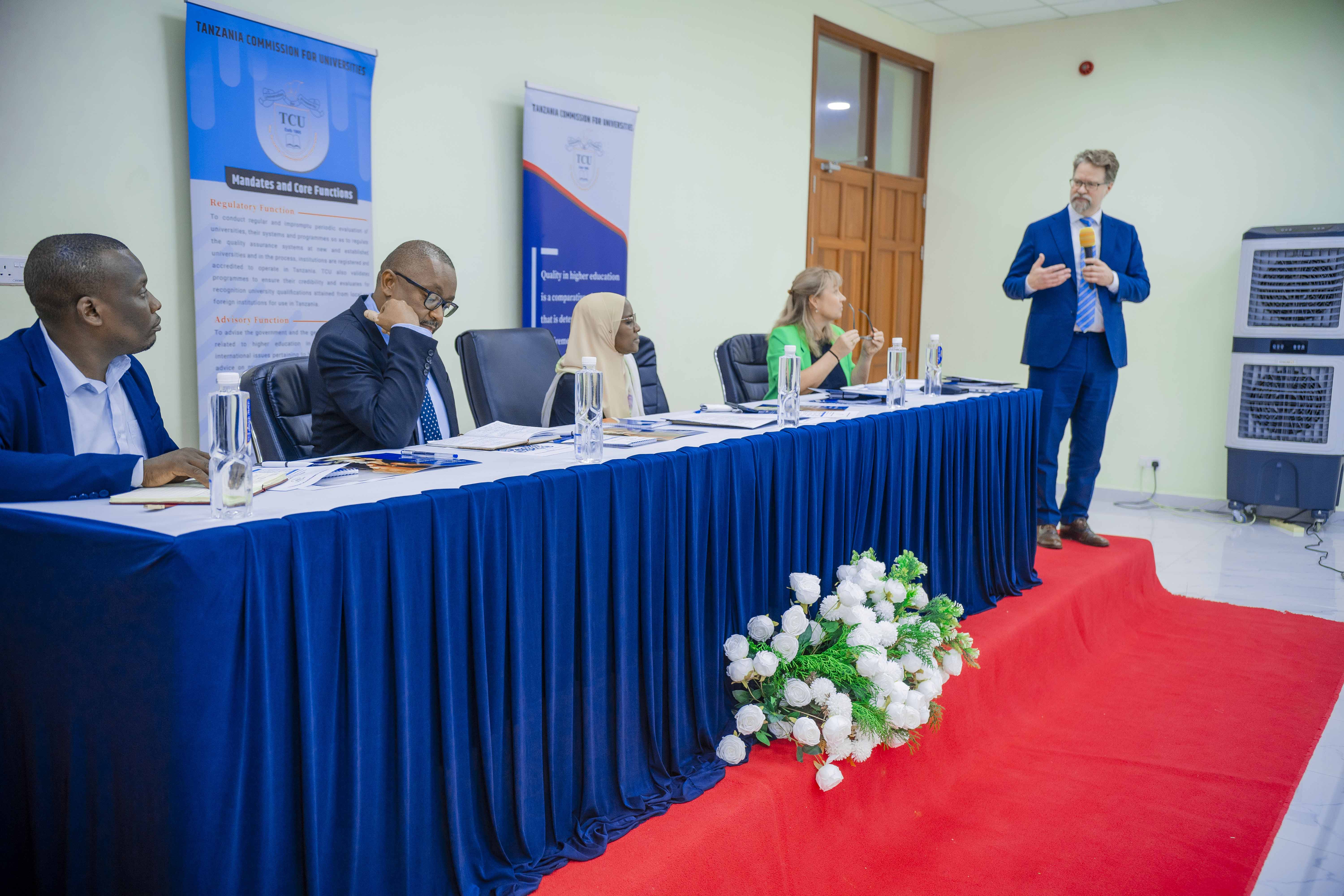
The official launch took place on 12th November 2026 at TCU Headquarters in Dodoma and was officiated by Prof. Fatihiya Massawe, Assistant Director of Higher Education at the Ministry of Education, Science and Technology, on behalf of Prof. Daniel Mushi, Deputy Permanent Secretary of the Ministry.
Delivering the keynote address on behalf of Prof. Mushi, Prof. Massawe described the partnership as a significant milestone in strengthening institutional cooperation between Tanzania and Norway, particularly in advancing quality assurance, internationalisation and effective governance of university education.She noted that the partnership followed a comprehensive bilateral scoping exercise conducted in January 2026, which identified shared institutional priorities and opportunities for collaboration between TCU and HK-dir.
Prof. Massawe conveyed the Government of Tanzania's appreciation to the Government of the Kingdom of Norway, through the Norwegian Agency for Development Cooperation (NORAD), for providing financial support towards the implementation of the Partnership Programme.She emphasised that the initiative comes at a critical time when higher education systems worldwide are undergoing significant transformation, driven by technological advancement, changing labour market demands and increasing international academic mobility.
According to Prof. Massawe, the partnership aligns with Tanzania's national development priorities, particularly the Revised Education and Training Policy 2014 (2023 Edition), the Education Sector Development Plan 2025/26 - 2029/30 and the Tanzania Development Vision 2050. These frameworks emphasise equitable access to education, quality assurance, skills development, institutional efficiency and the development of a competitive workforce.
She further observed that the continued expansion of university education in Tanzania has increased the demand for efficient regulatory systems, transparent admission procedures and reliable mechanisms for assessing and recognising academic qualifications.
In this regard, Prof. Massawe underscored the importance of strengthening TCU's institutional capacity to respond effectively to emerging challenges while supporting the Government's commitment to developing an internationally competitive higher education system.The Partnership Programme will focus on two key technical areas: strengthening the recognition and assessment of foreign qualifications and improving the coordination of student admissions. These areas are expected to benefit from the exchange of technical expertise, institutional experience and good practices between the two organisations.
Regarding the recognition of foreign qualifications, Prof. Massawe highlighted the importance of establishing reliable and transparent verification mechanisms to facilitate international academic mobility, support the integration of qualified professionals into the labour market and prevent academic credential fraud.
On admissions coordination, she emphasised the need to strengthen transparent, efficient and technology-driven systems that promote fairness, and enhance public confidence in university admission procedures.
Prof. Massawe further explained that the partnership is designed to promote reciprocal institutional learning rather than conventional technical assistance, enabling both institutions to benefit from their respective expertise, operational approaches and governance experiences.She noted that the Programme is aligned with TCU's Five-Year Rolling Strategic Plan 2026/27–2030/31 and is expected to contribute to sustainable institutional development beyond its implementation period.
Emphasising the importance of effective implementation, Prof. Massawe called upon the technical teams and steering committees of both institutions to demonstrate professionalism, commitment and accountability throughout the Programme.She particularly stressed the need to prioritise evidence-based planning, strengthen data-driven decision-making and establish measurable performance indicators to ensure that the intended outcomes are achieved by 2028.
Furthermore, she highlighted the importance of active leadership involvement, continuous monitoring and joint institutional reviews in ensuring the sustainability of the partnership's achievements.Prof. Massawe reaffirmed the Government of Tanzania's commitment to providing the necessary policy support to facilitate the successful implementation of the Programme and ensure that its outcomes contribute to long-term improvements in university education governance.
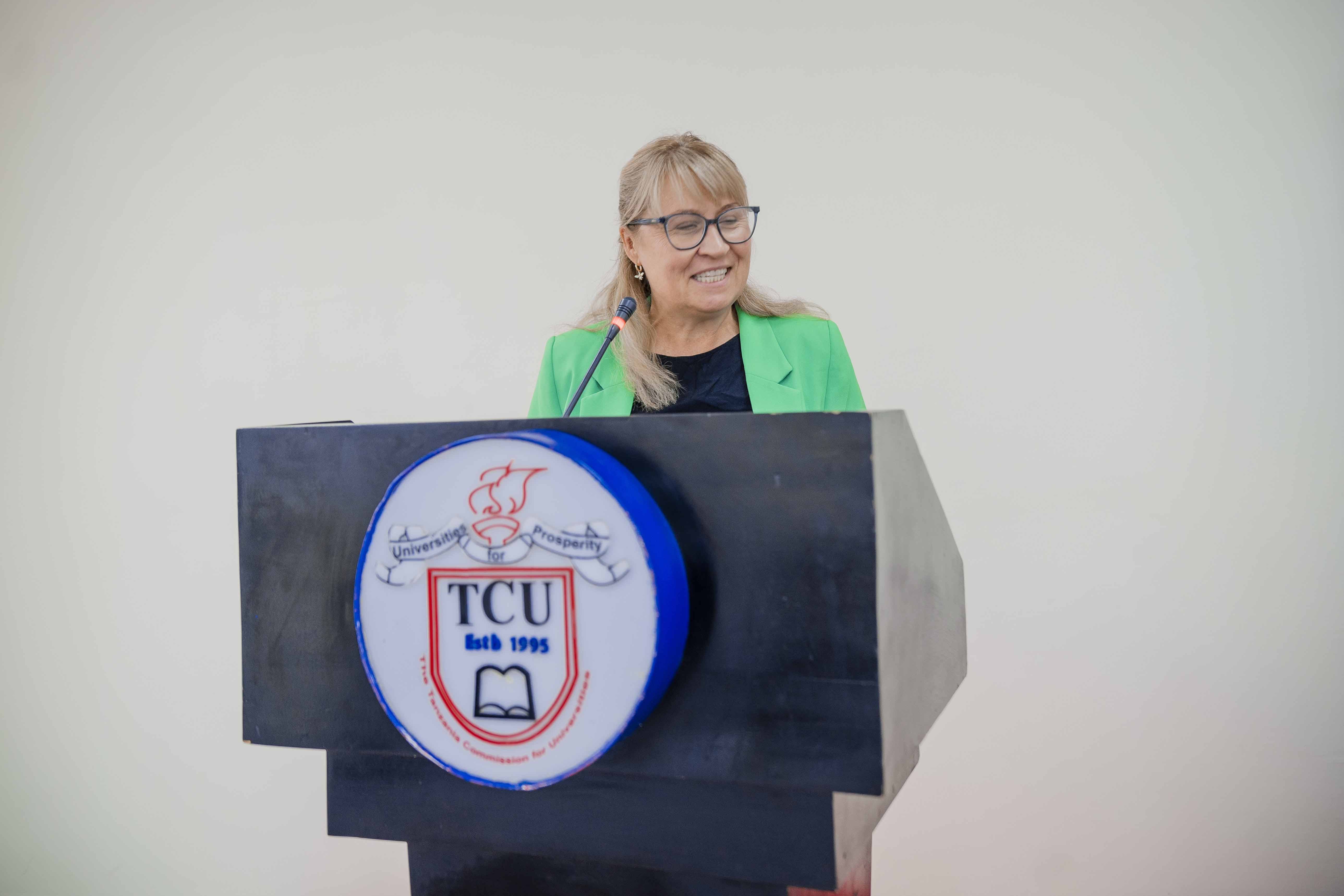
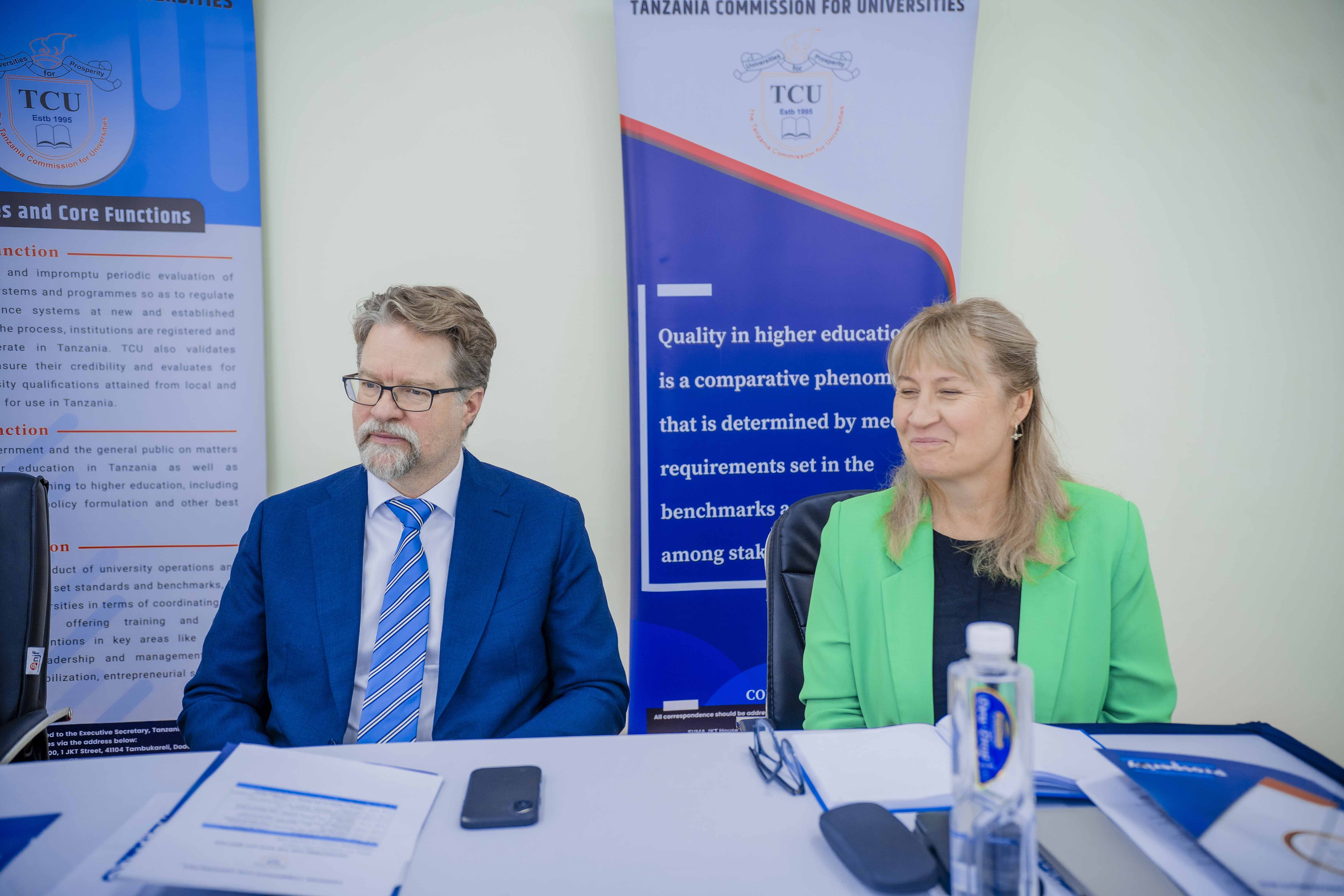
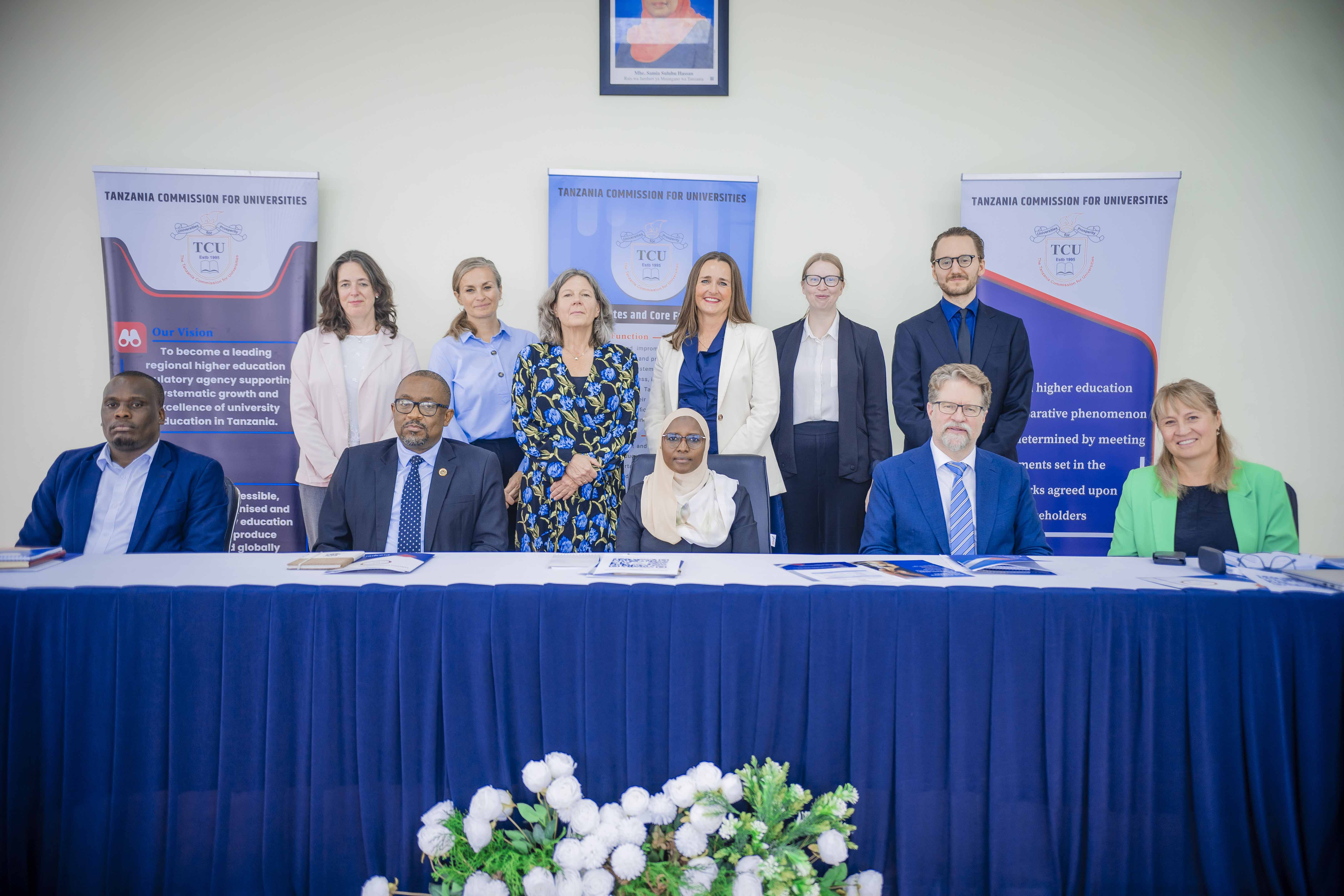
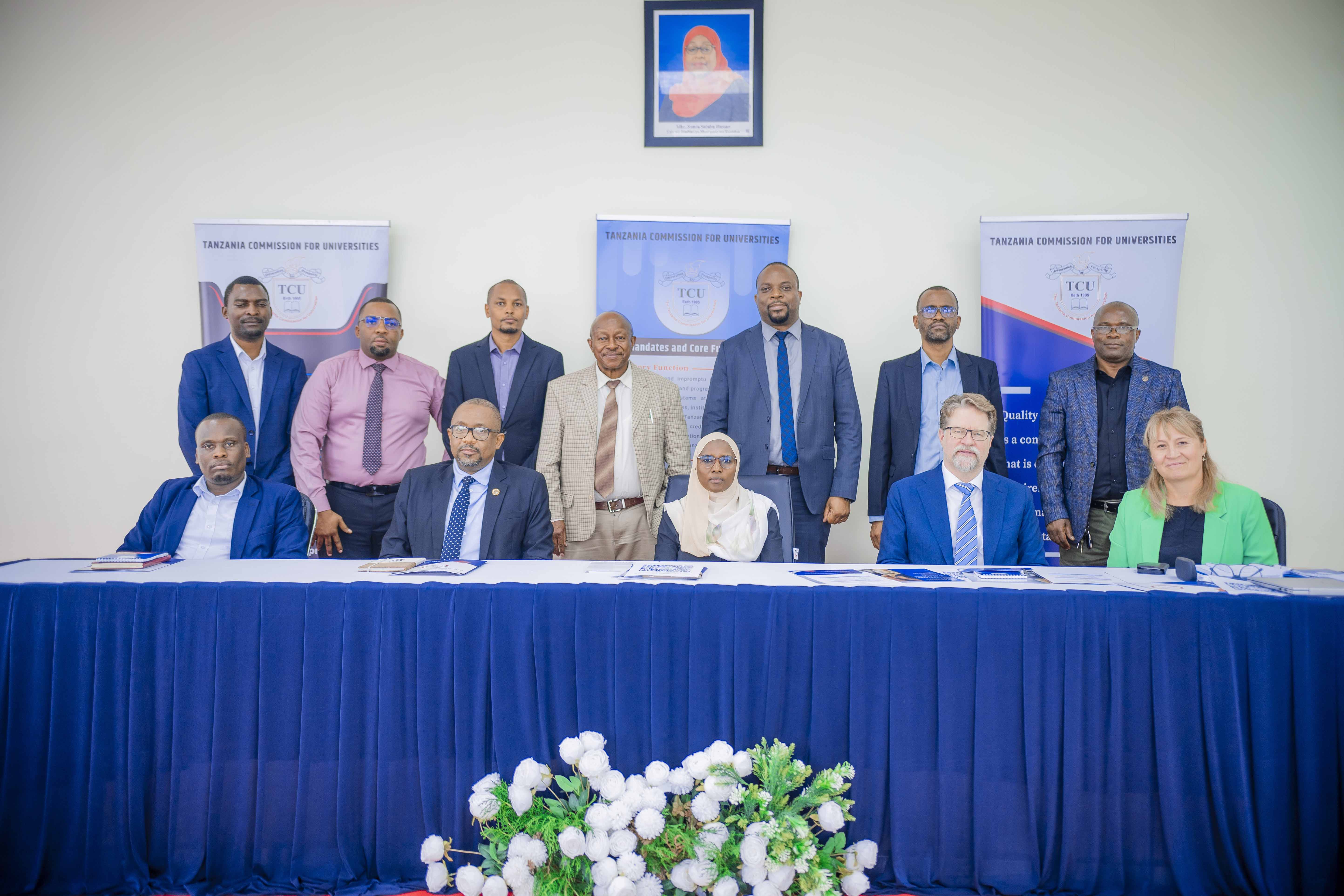
She also commended the Executive Secretary of TCU, Prof. Charles Kihampa, and the Executive Director of HK-dir, Mr Dag Hovdhaugen, together with their respective teams, for their efforts in establishing the partnership, which seeks to foster professional knowledge exchange and strengthen TCU’s institutional capacity to discharge its regulatory and coordination responsibilities effectively.
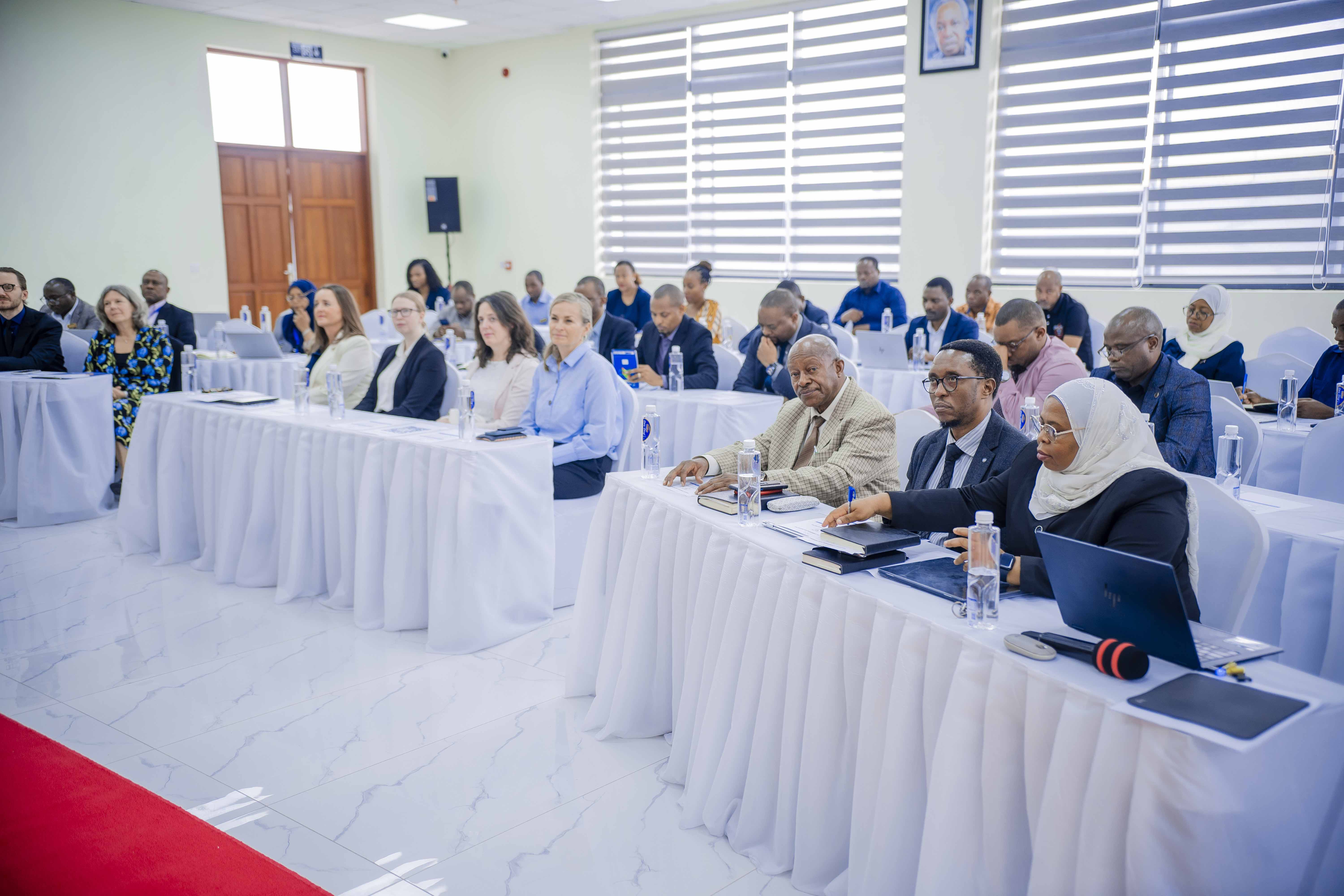
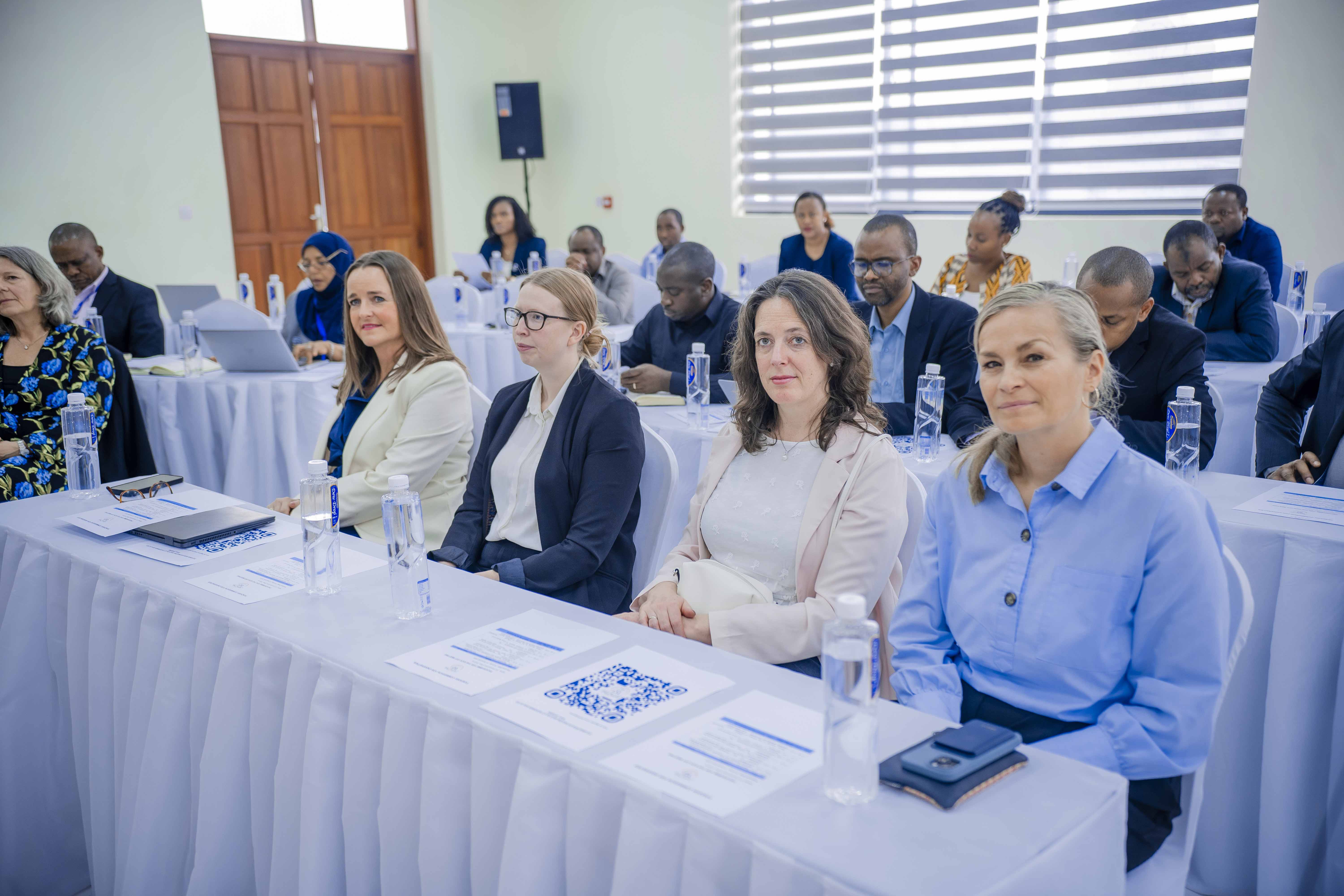
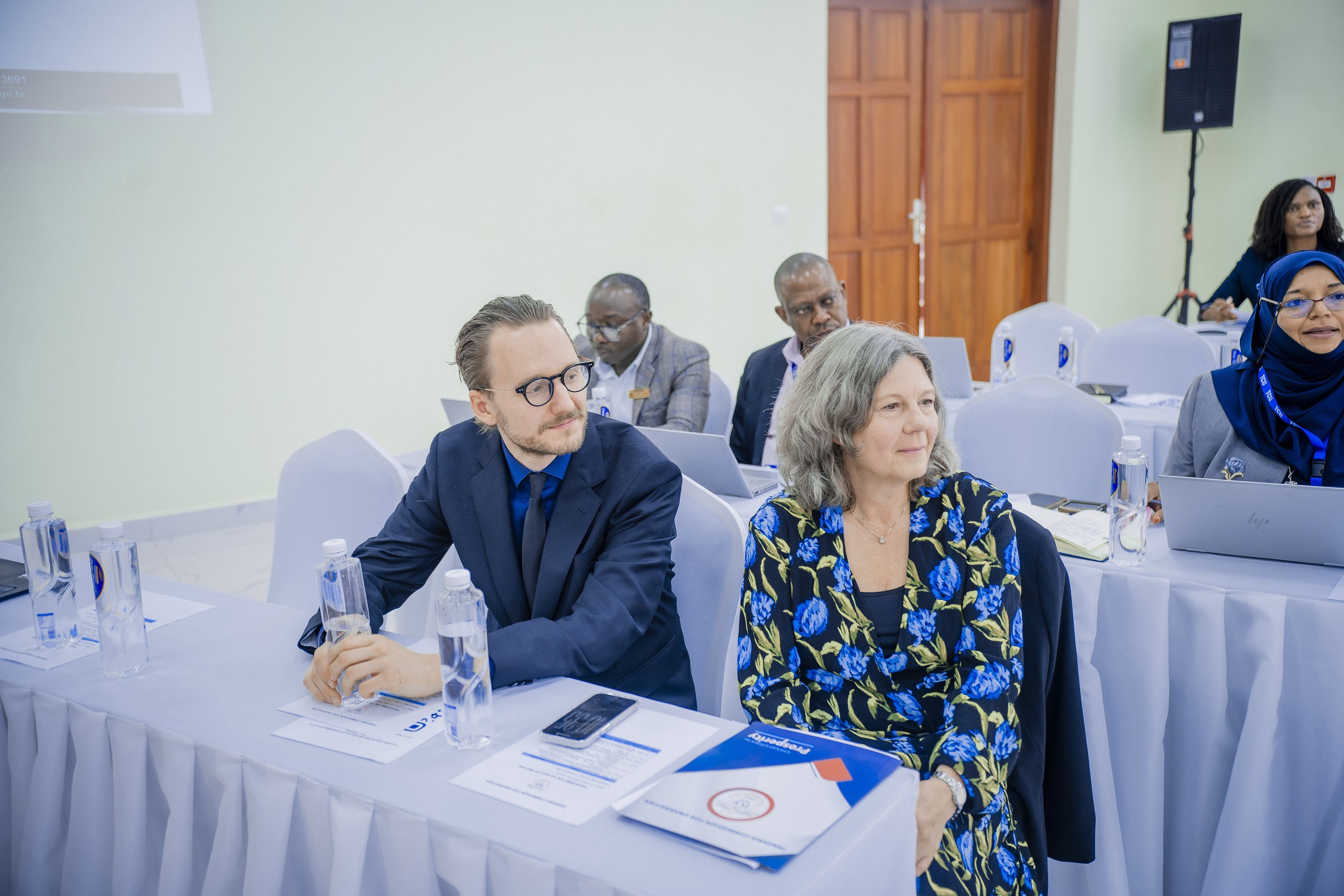
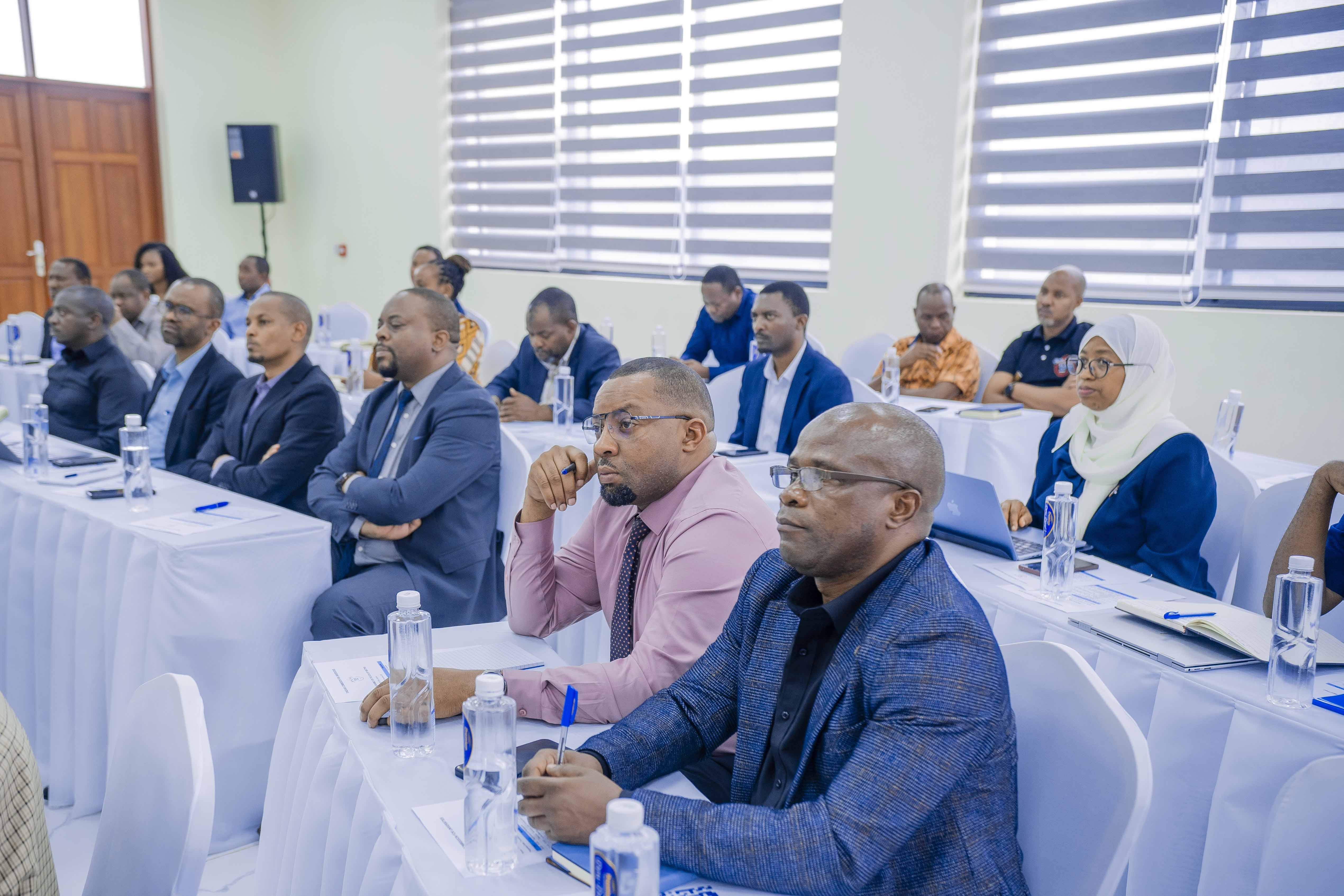
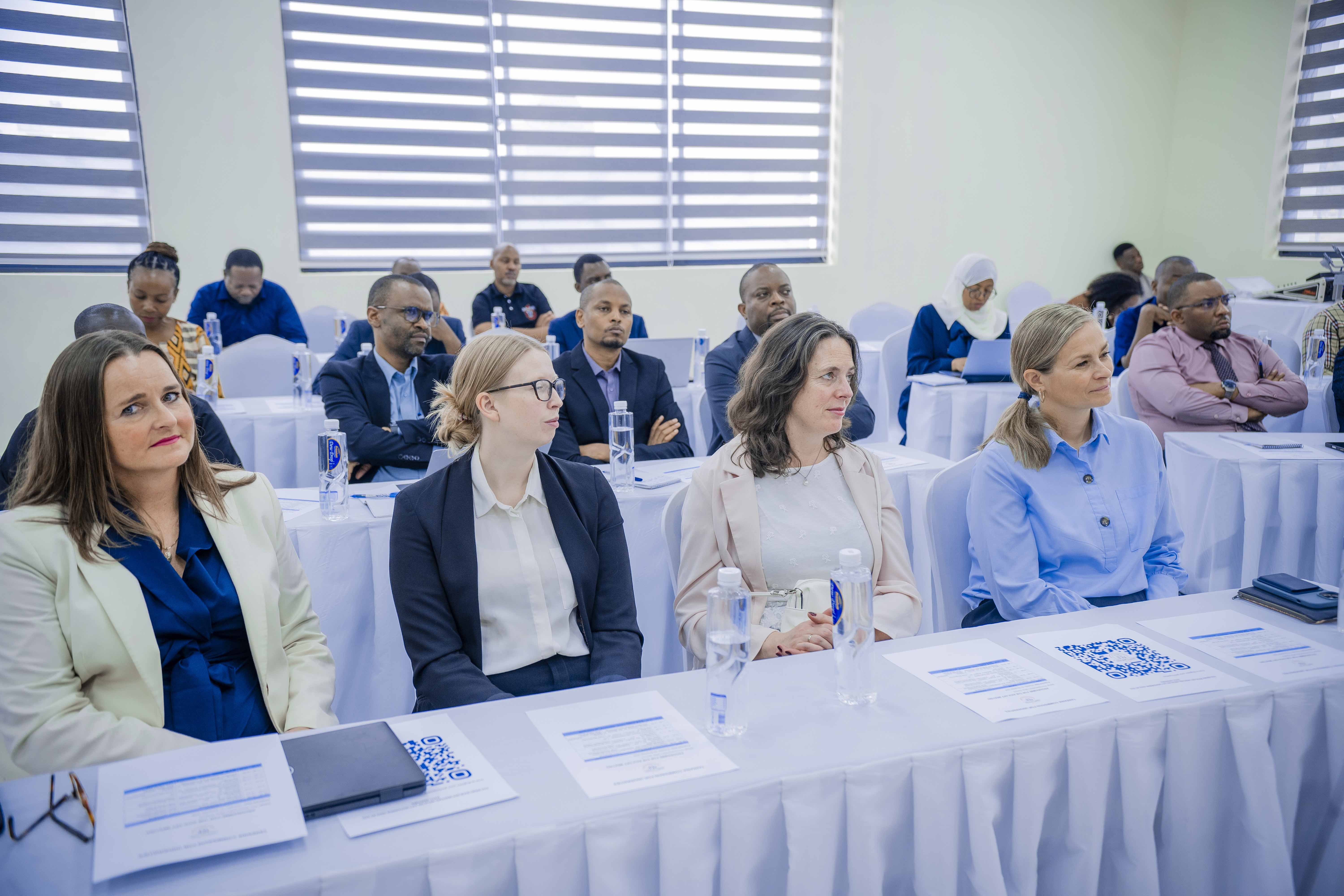
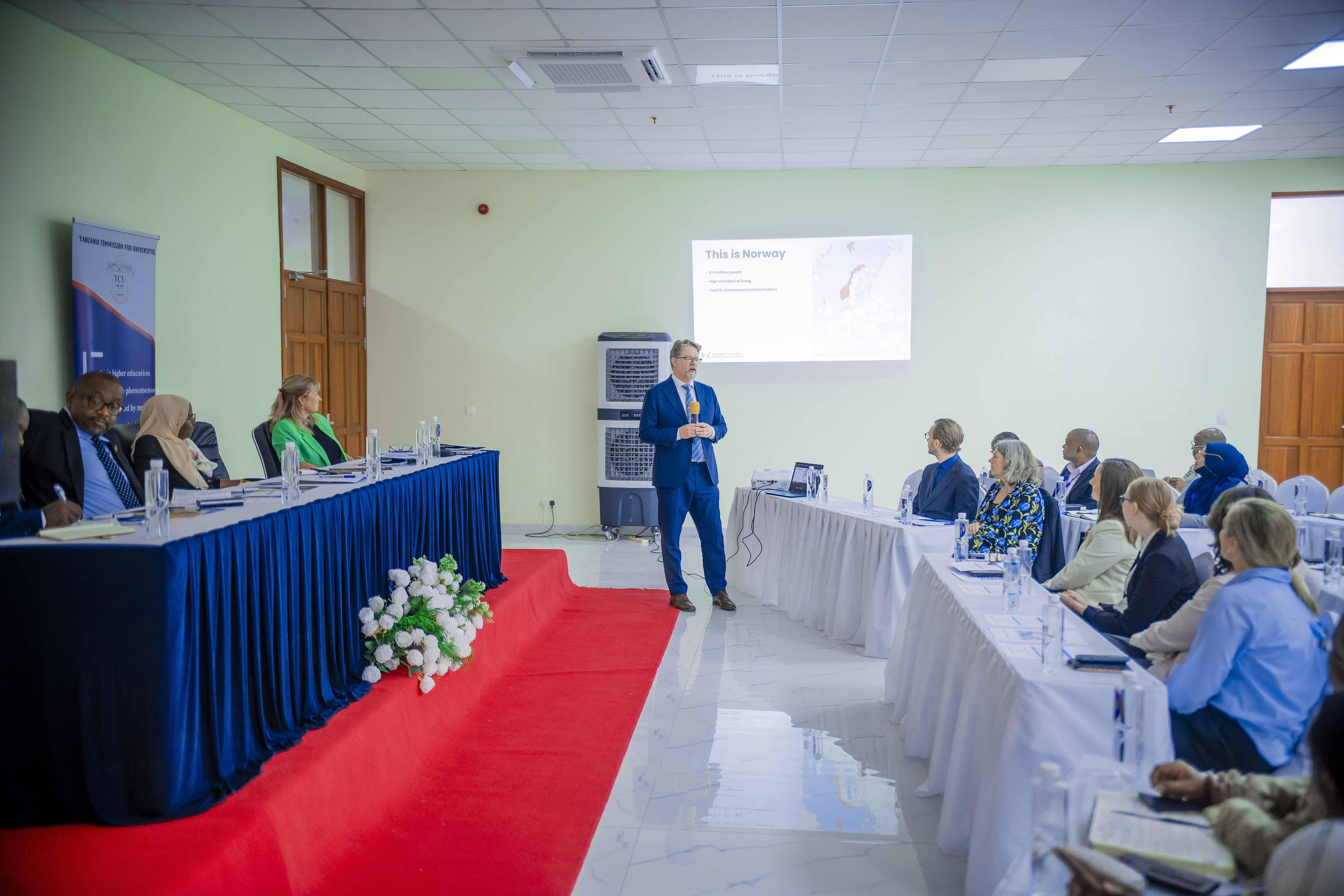
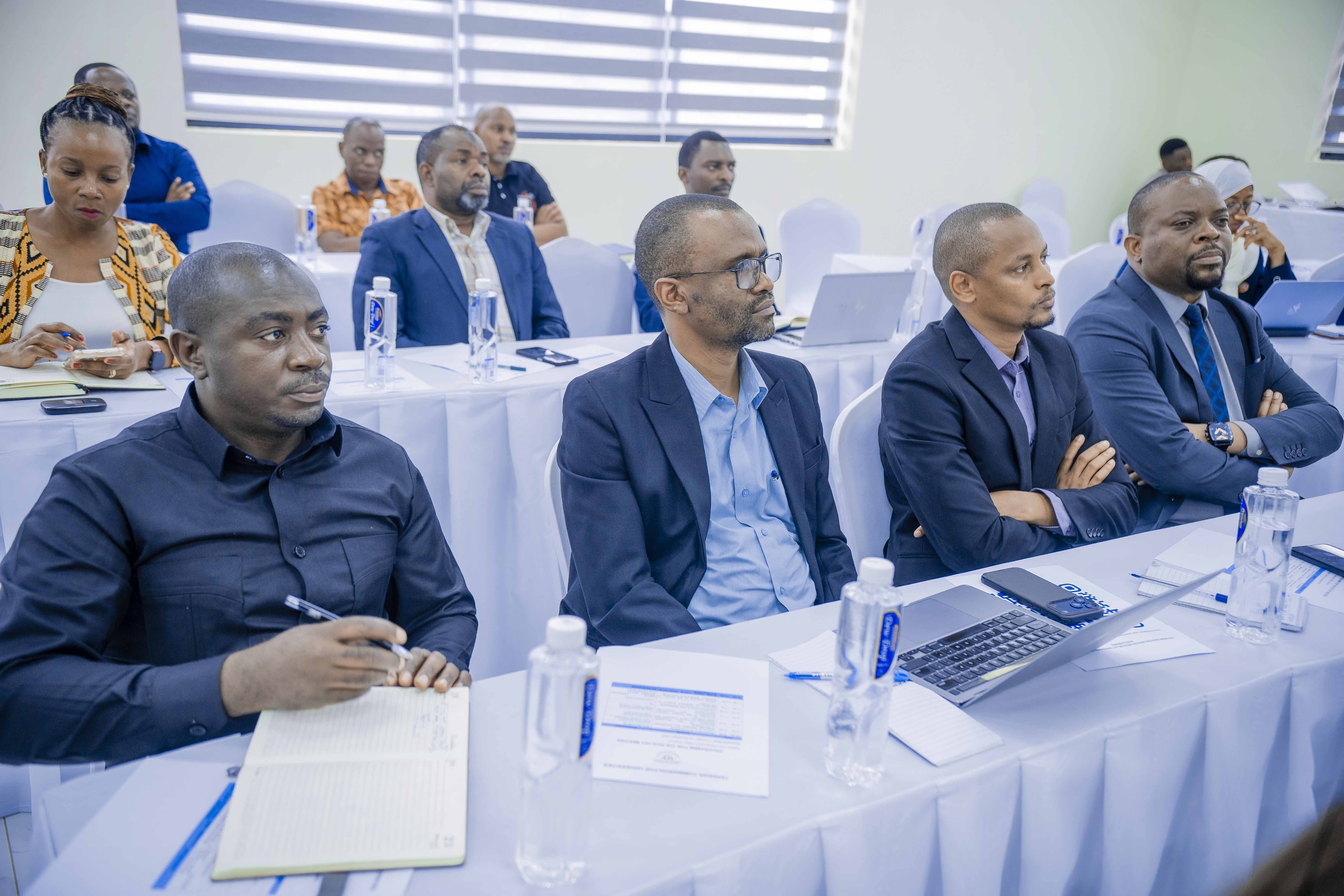
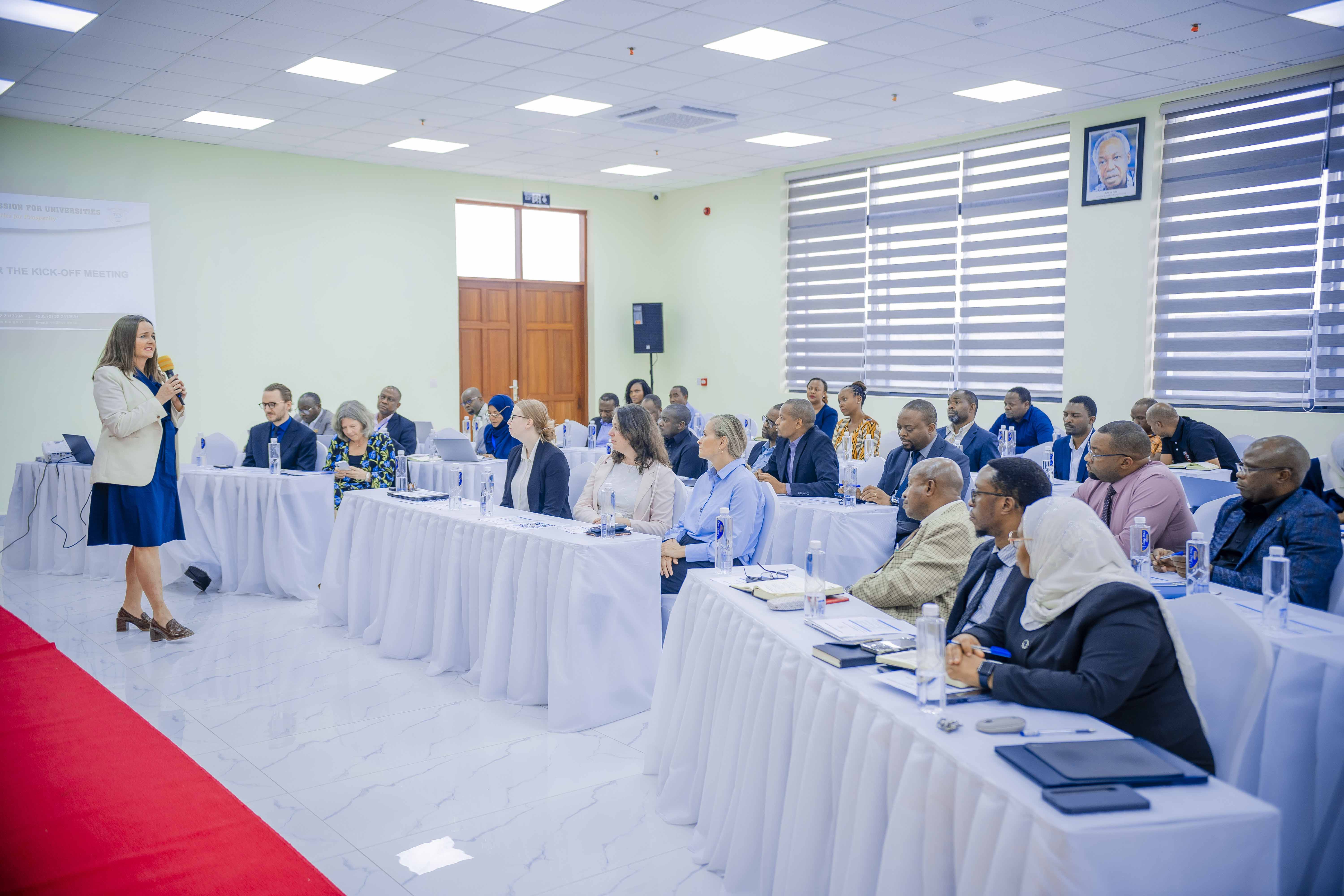
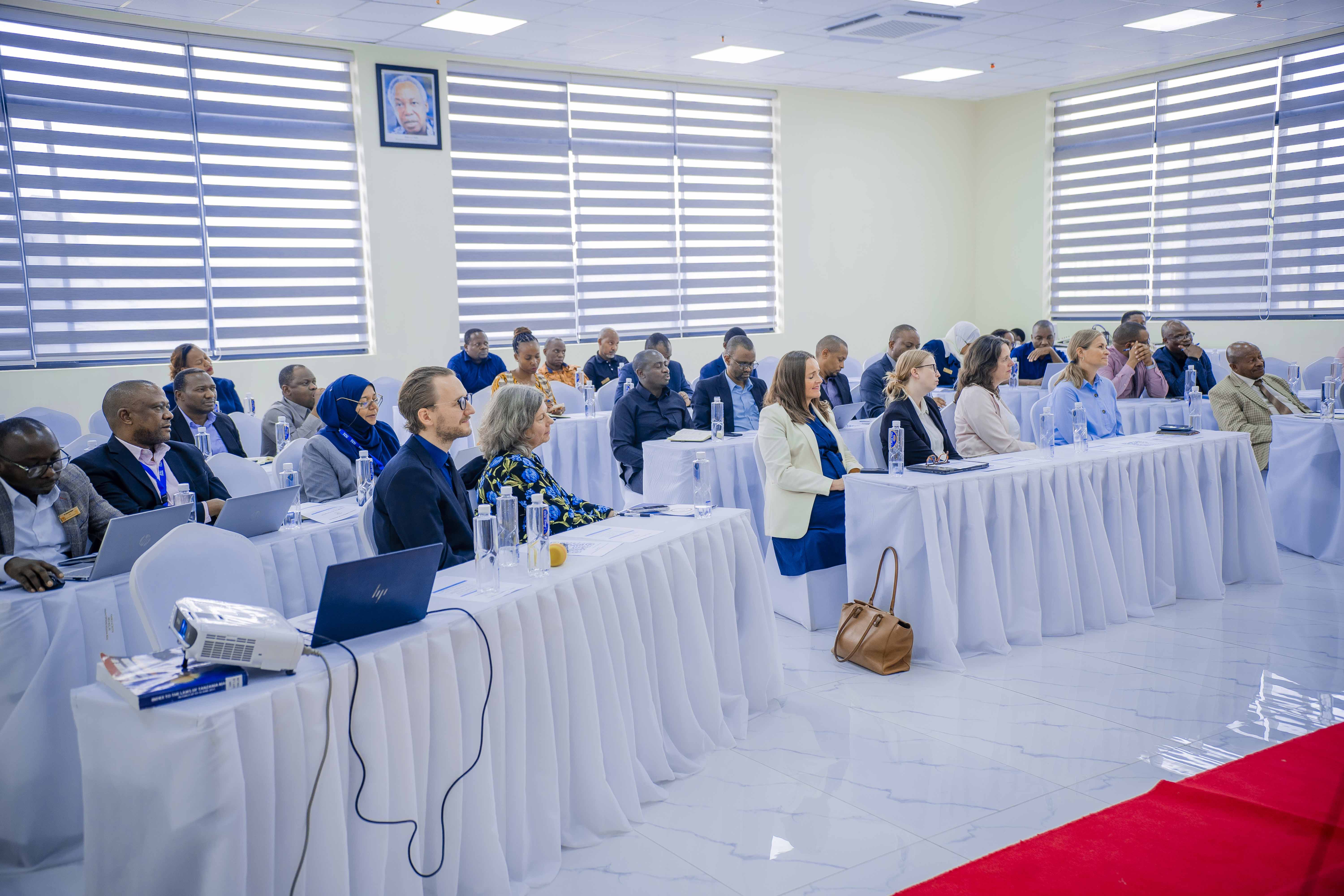
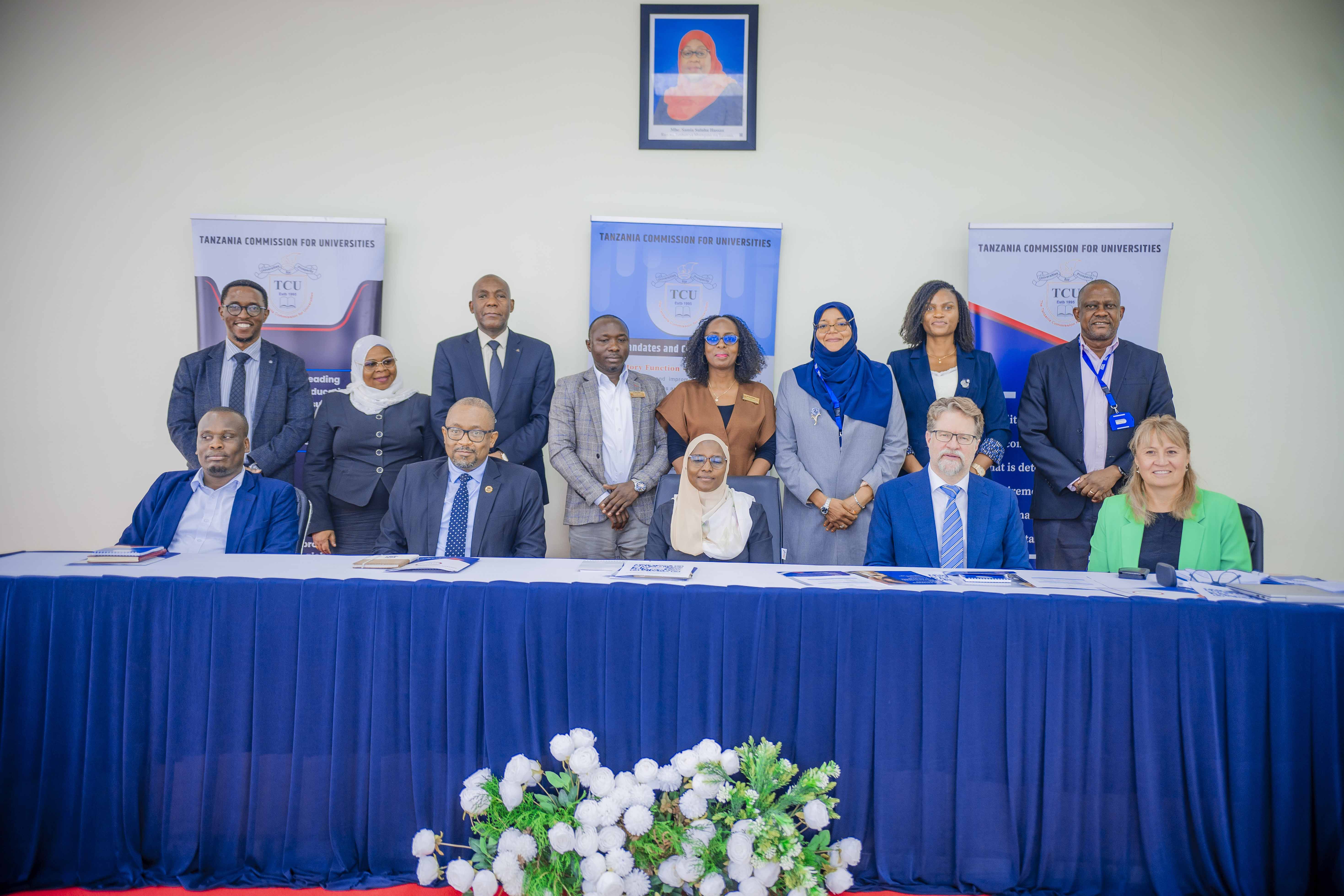
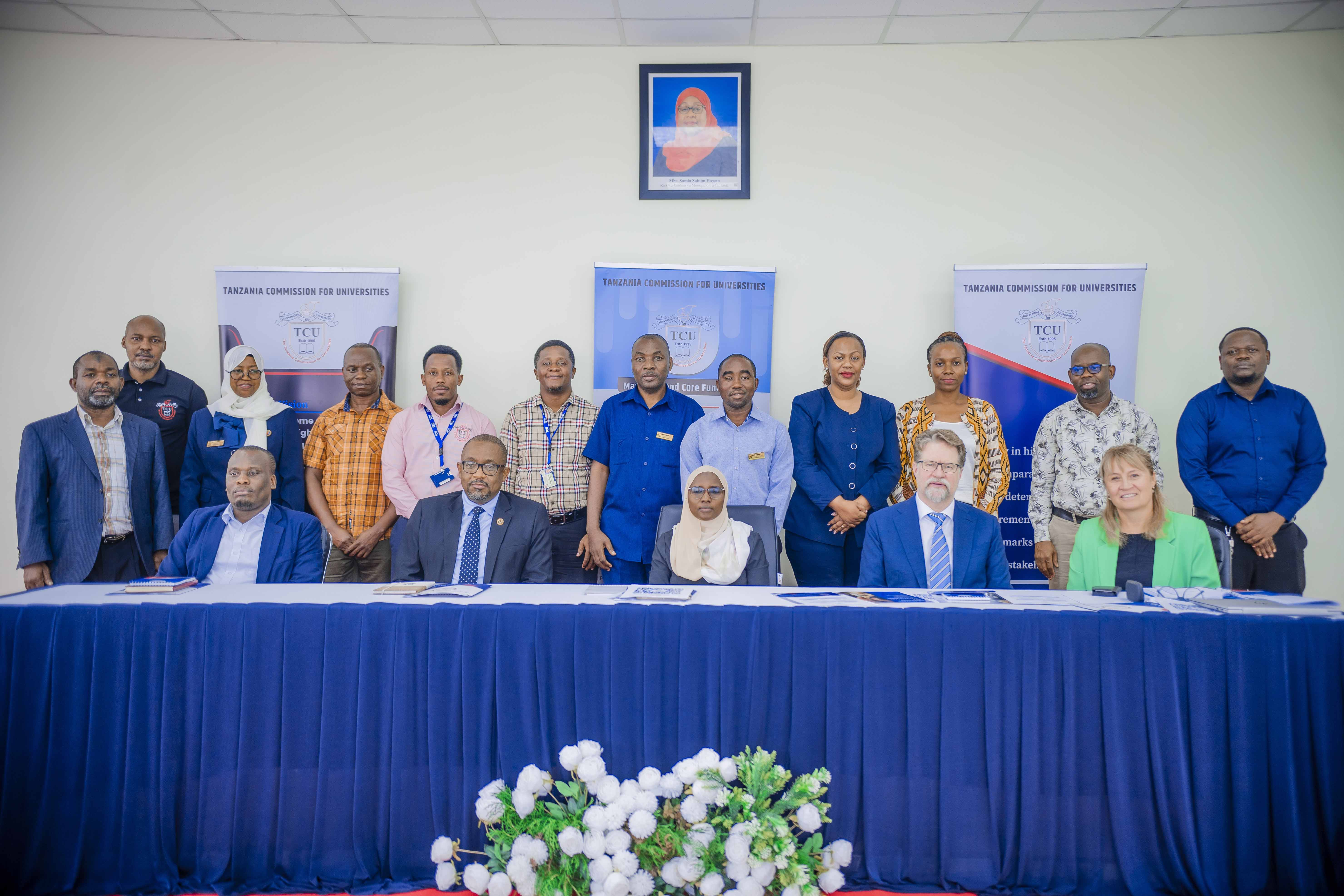
The event brought together representatives from NORAD, TCU, university institutions, registrars of professional bodies, officials from the Ministry of Education, Science and Technology and other stakeholders in the higher education sub-sector.Through the 2026 - 2028 Partnership Programme, TCU and HK-dir are expected to advance institutional efficiency, promote transparent regulatory processes and contribute to the development of a responsive, inclusive and internationally competitive university education system in Tanzania.